
Silverfish Control in Las Vegas, NV
Reach out now for your free, no-obligation estimate on silverfish elimination.
- Ants & rodents
- Straightforward pricing
- Local technicians
Call for a rate estimate
- Fast, courteous service
- Clear, upfront pricing
Our local team is taking calls now.





Year-Round Availability
Silverfish never take a day off, and neither do we. Our Las Vegas team is ready to respond whenever you discover these pests in your home.
Experienced Local Technicians
Our specialists know exactly where silverfish hide in Las Vegas homes. We deliver thorough treatments that eliminate infestations at the source.
Scheduling That Works for You
Busy schedule? No problem. We offer convenient appointment times throughout the week to fit your lifestyle and availability.
Silverfish Control in Las Vegas
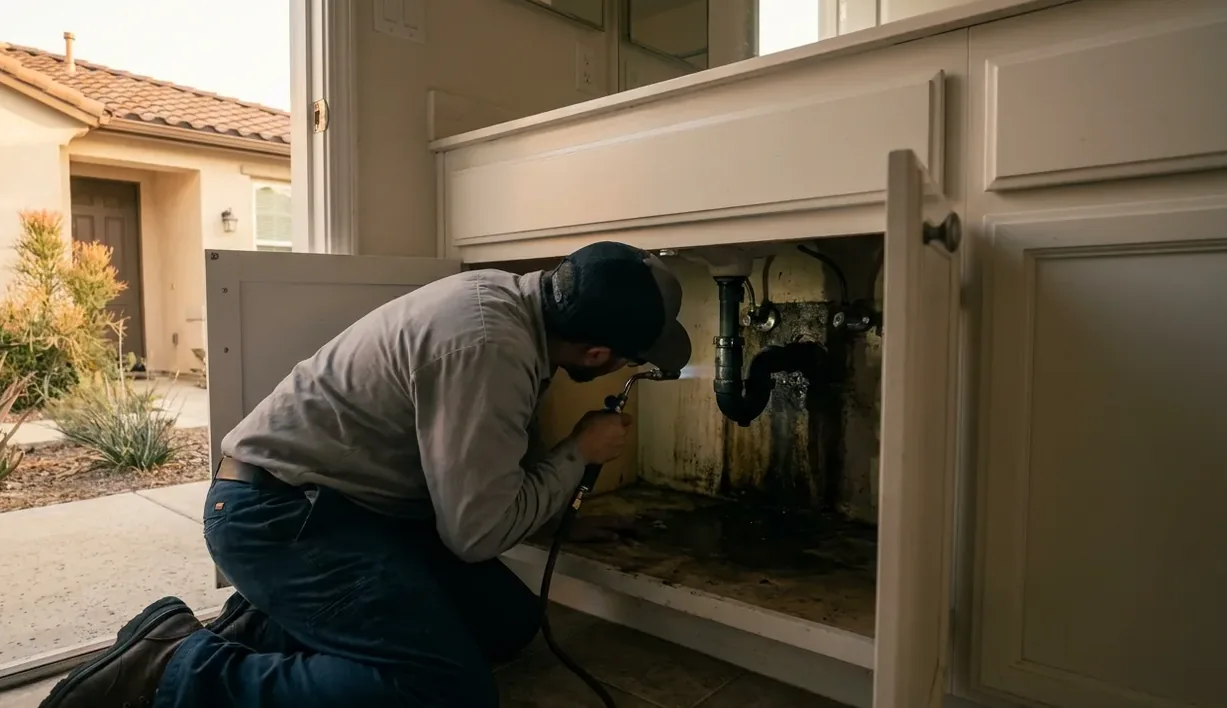
Silverfish are a humidity problem wearing an insect costume, which makes them slightly surprising in the Mojave. They cannot survive long in genuinely dry air — and yet we treat them across the valley, because a Las Vegas house is full of small pockets that are nothing like the climate outside. The void under a bathroom vanity, the wall behind a shower, the cabinet under a kitchen sink, the space around an evaporative cooler, a garage that gets hosed out: each is a damp island in a dry city, and that is where a silverfish population lives.
They do not bite, carry no disease, and cause no structural damage. What they do is eat starch — paper, book bindings, wallpaper paste, photographs, cardboard, dried goods and the sizing in natural fabrics — and they do it slowly and invisibly to items people keep precisely because they cannot be replaced.
Why They Are Difficult to Get Rid Of Without Help
Silverfish are nocturnal, they are fast, and they live inside voids rather than on surfaces, so a surface spray meets almost none of the population. They also live a long time for an insect — several years — and they can go for weeks without food. That combination means a treatment that reduces numbers without changing conditions gets you a quiet few months and then the same problem again.
Our Silverfish Control Process
Finding the Moisture
We start with a moisture inspection rather than an insect inspection, because the two are the same question. Common findings in Las Vegas homes are a slow supply-line weep under a vanity, a failed shower pan or grout line letting water into the wall, condensation around poorly insulated cold-water pipes in a laundry, and the perpetually damp surround of an evaporative cooler. Fixing the water is what makes the treatment permanent.
Identifying the Harbourage
Then we find where they are actually living: the gap behind the vanity kickboard, the void where a pipe passes through a cabinet floor, stacked cardboard in a garage, and stored paper in an attic or a closet backing onto a wet wall.
Targeted Treatment
Dusts into Voids
An insecticidal dust applied into a wall void, a plumbing chase or the space behind a kickboard reaches the harbourage itself and stays effective for a long time in a dry cavity. This is the part of the job that does the work.
Crack and Crevice Application
Along skirting junctions, cabinet edges, door frames and the gaps where they travel between rooms — placed into the crack rather than sprayed across the face, which is both more effective and puts less product into the living space.
Baits Where They Suit
In some situations a bait placed near harbourage works better than a residual, particularly in a store room or an attic where we would rather not treat surfaces at all.
Moisture Control Advice
We tell you what we found and what would need to change: repair the leak, improve the extraction in a windowless bathroom, get stored paper off a concrete garage floor and onto shelving, and keep the humidity down in the rooms that matter.
Signs You Have Silverfish
Irregular Grazing on Paper
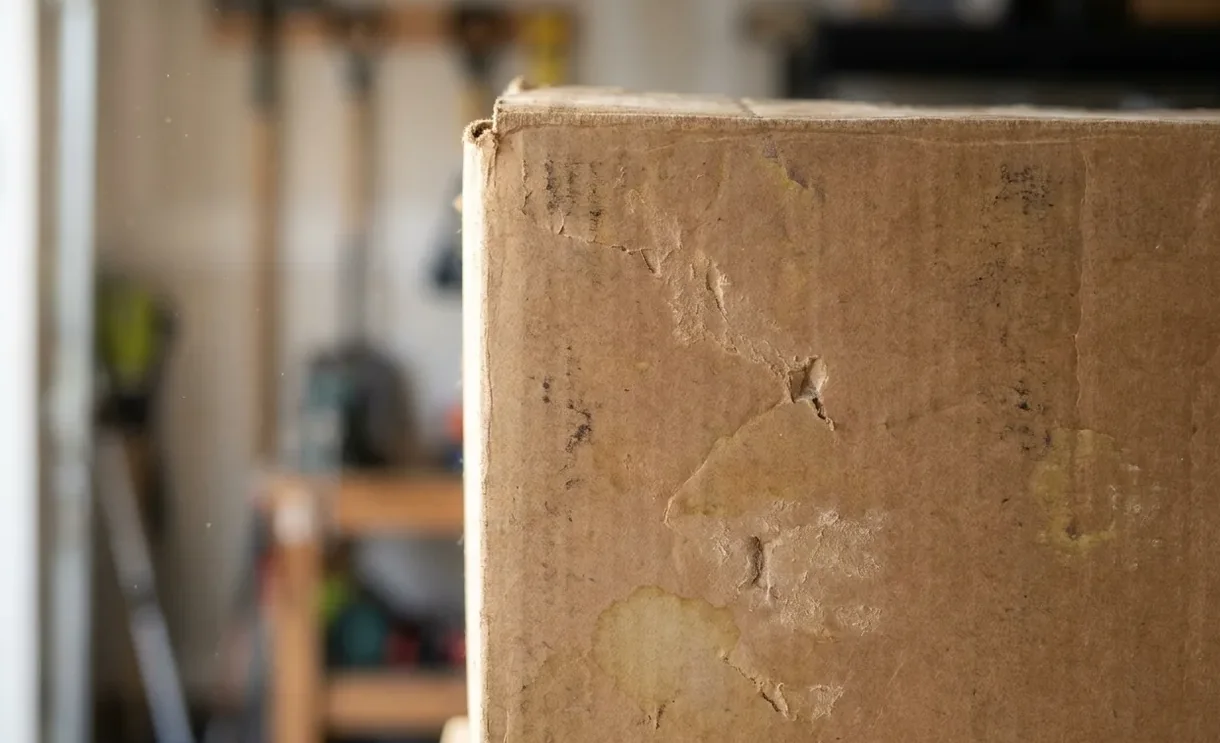
Silverfish do not chew clean holes. They graze the surface, leaving a thinned, notched or scalloped edge — most often on the edges of books, the corner of a stored photograph, or the printed face of a cardboard box.
Yellow Staining
Faint yellow marks on stored paper and fabric, particularly where items have sat undisturbed against a wall.
Tiny Black Specks
Droppings resembling coarse pepper, usually in the back corner of a cupboard or along the edge of a shelf.
Shed Skins
Most insects stop moulting once they mature; silverfish carry on doing it for years. That makes a scatter of empty shells a sign of a settled population that has been there some time, not of something that just wandered in.
Insects in the Sink or Bath
They climb in overnight chasing moisture and cannot get back out of a smooth-sided basin. Finding them there in the morning is one of the most common ways people first notice.
Protecting What They Damage
Anything on paper that matters — documents, photographs, books, records — belongs in a sealed plastic container rather than a cardboard box, and off a concrete floor rather than on it. Concrete wicks moisture and cardboard is both food and shelter, so the standard garage storage arrangement is close to ideal for silverfish. Moving a stored collection into lidded bins on shelving does more for it than any treatment we can apply.
Keeping Them Out After Treatment
Run the bathroom extractor for a while after showering rather than switching it off with the light. Fix small plumbing weeps as they appear instead of putting a container under them. Seal the gaps around pipe penetrations under sinks. If you run an evaporative cooler, keep an eye on the surround and the pad housing through the season. In a climate this dry, taking away the damp pockets does most of the work of keeping silverfish out for good.
The Rooms We Find Them In, and Why
Bathrooms
The most common by a distance. The void behind and beneath a vanity is enclosed, unventilated and next to plumbing, and in a windowless bathroom the extractor is usually switched off with the light rather than left running.
Kitchens
Under the sink, behind the dishwasher, and in the cabinet void where a supply line passes through the floor. Anywhere a slow weep has been quietly wicking into chipboard.
Laundries
Condensation on cold-water pipes, a washing machine standpipe, and the warm damp behind an appliance that runs several times a week.
Garages
Concrete wicks moisture from the ground, and stored cardboard sitting directly on it is both shelter and food. A garage that gets hosed out occasionally is a reliable silverfish habitat in an otherwise bone-dry house.
Around an Evaporative Cooler
A swamp cooler creates the one thing the Mojave otherwise denies these insects. The surround, the pad housing and the ducting near it are worth checking as a matter of routine on the older housing stock that still has one.
Attics and Storage Closets
Where stored paper backs onto a wet wall, or where a roof penetration has let water in without anyone noticing.
Why They Are Worth Dealing With Even Though They Are Harmless
Nothing about a silverfish threatens anybody. What makes them worth a call is that the damage is slow, invisible and lands on exactly the things that cannot be replaced — documents, photographs, books, records, a stored wedding dress. Nobody notices a population building for two years. They notice when a box comes down off a shelf. If you have paper or textiles stored anywhere with a moisture source nearby, dealing with it while the population is small is the cheap version of this problem.
What They Are Often Confused With
Firebrats
A close relative, mottled grey-brown rather than silver, and adapted to heat as well as damp. They turn up around water heaters, boilers and the warm side of an attic. The treatment is broadly the same but the place to look is not.
Earwigs
Also moisture-driven and often found in the same places, but visibly different and with different habits. They come in from irrigated landscaping rather than living in a wall void.
Carpet Beetle Larvae
Regularly confused with silverfish damage because both attack stored items. The distinction matters: carpet beetles go for wool, silk and other animal fibres, while silverfish go for starch and paper. If the damage is on woollens rather than paper, it is very likely not silverfish.
Booklice
Tiny, pale and also drawn to damp paper, but they feed on mould rather than the paper itself. Finding them says the humidity problem is further along than you thought.
★ FAQ
Frequently Asked Questions
While outdoor conditions in Las Vegas are extremely arid, indoor environments provide the moisture silverfish need through air conditioning condensation, bathroom humidity, kitchen moisture, and plumbing. Silverfish enter through foundation cracks, utility penetrations, gaps around doors and windows, and arrive in cardboard boxes, stored items, and building materials. Once inside where moisture exists, they thrive and reproduce.
Silverfish feed on materials containing starches, sugars, and cellulose including books, photographs, wallpaper, stored documents, clothing (especially cotton and linen), cardboard boxes, and paper products. They create irregular holes and yellow staining on damaged items. Over time, they can destroy irreplaceable family photos, important documents, collectible books, and valuable textiles stored in closets and boxes.
Retail products only kill silverfish that directly contact the spray, leaving eggs, nymphs, and hidden populations untouched in wall voids, beneath flooring, and inside storage areas. Silverfish are nocturnal and spend daylight hours in protected harborage sites where surface sprays cannot reach. Professional treatment uses specialized products and application methods that penetrate deep into harborage areas and eliminate all life stages.
Most silverfish populations are significantly reduced within 2-3 weeks of professional treatment as adults and nymphs contact treated surfaces. Complete elimination typically occurs within 4-6 weeks as eggs hatch and newly emerged nymphs contact residual treatments. Follow-up service ensures any remaining activity is addressed, and ongoing prevention maintains long-term protection.
Yes, silverfish readily travel through wall voids, beneath flooring, and along plumbing lines to access different areas of your home. What begins as a bathroom or kitchen infestation often spreads to bedrooms, closets, storage areas, and throughout the property as populations grow. Early professional intervention prevents widespread infestations and limits damage to your belongings.
📍 On the map
Our Complete Silverfish Control Process
Methodical treatment ensures total elimination and lasting results
Our detailed 10-step silverfish elimination process targets all life stages and breeding areas while addressing the moisture and environmental conditions that allow these pests to thrive in Las Vegas homes.