
Rodent Control in Sunrise Manor, Las Vegas, NV
Rat and mouse control for Sunrise Manor's older housing stock, where the building itself is usually the way in
- Rodent control
- Straightforward pricing
- Local technicians
Get a price for your property
- Fast, courteous service
- Clear, upfront pricing
A Las Vegas technician is on the line now.





Older Stock, More Openings
Fifty years of sun perishes vent screening and door seals. Most jobs here are exclusion jobs before they are anything else.
Evaporative Coolers
The roof penetration and the housing are a known way in on this housing stock, and they are easy to miss.
Mature Trees to the Roof
Long-established planting puts branches on the roofline. That is a bridge, and it is usually the cheapest thing to fix.
Rodent Control Across Sunrise Manor
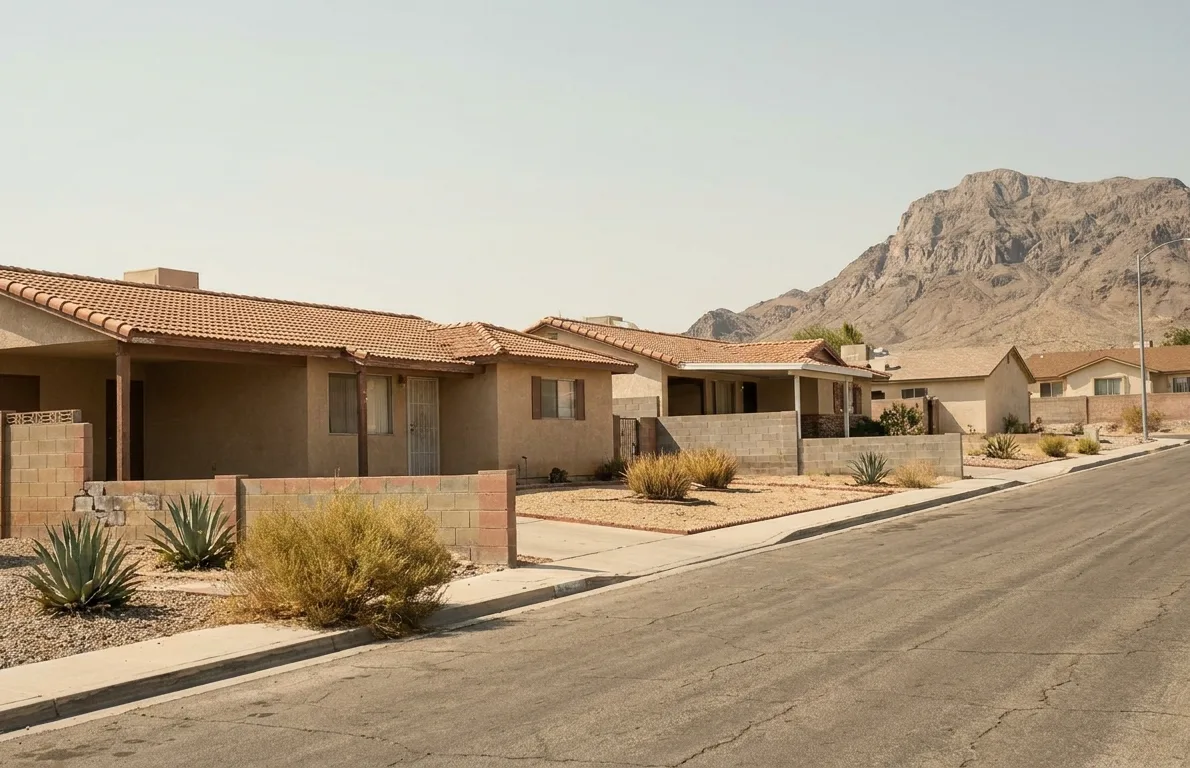
Sunrise Manor has a lot of housing that predates modern sealing detail, and after decades of Mojave sun the parts that were sealed have generally given up. That is the whole story of rodent work here: the buildings themselves are the way in, and the fix is exclusion rather than treatment.
Older Construction and Where It Lets Things In
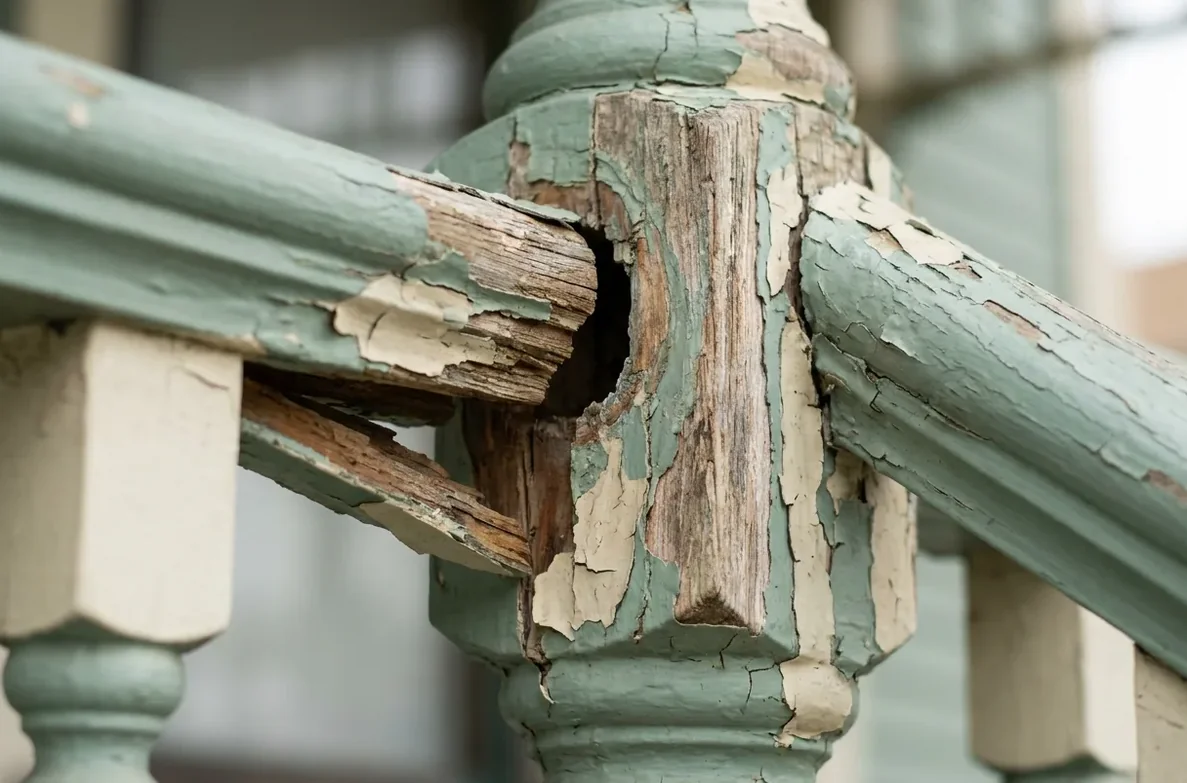
Weathered Trim and Failed Seals
The failures are gradual and they are everywhere at once, which is what makes this housing stock distinctive to work on. Screening on a vent stops being a barrier long before anyone notices it has gone. Rubber and neoprene at a door threshold hardens, curls and stops meeting the slab. Timber trim shrinks away from render at soffit and fascia, opening a line rather than a hole. Sealant around a pipe chalks and falls out in pieces. Individually none of them look like much; together they are why a house of this age typically presents us with eight or ten openings rather than two.
None of that is neglect. It is what these materials do here over forty or fifty years, and it is why an inspection on this housing stock finds more openings than on a newer house — and why the exclusion work is the substantial part of the job.
Buried Weep Screed
The metal edge at the base of a stucco wall leaves a deliberate gap so moisture can escape. On older properties, successive landscaping changes have very often buried it under gravel or raised soil. That gives a sheltered ground-level entrance and stops the detail draining, so clearing it back fixes two things at once.
Evaporative Coolers
Common on this housing stock and worth checking specifically. The roof or wall penetration a cooler sits in is frequently sealed with material long past its life, and the housing itself gives shelter directly against a route into the structure. It also supplies the thing the Mojave otherwise denies a rodent, which is reliable water. Both the penetration and the surround need looking at properly. On stock of this age Rodent Control Las Vegas expects to find eight or ten openings rather than two.
Mature Trees and What They Reach
Long-established planting in these streets has grown into the rooflines. Once an animal is on a roof, the gaps at the fascia and around perished vents do the rest.
Nothing has to be removed. Cutting branches back so nothing touches or overhangs the tiles takes away the bridge while leaving the tree, and on palms it is the skirt of dead fronds under the crown that matters most — a nest site and a route in the same structure, and an afternoon's work to trim out.
Carports, Sheds and Stored Items
Sunrise Manor properties tend to have more outdoor storage than newer subdivisions: carports, sheds, covered side returns, long-standing stacks of stored material. All of it is harbourage.
Stored cardboard is the worst of it, because it is nesting material, food packaging and cover simultaneously. Getting stored goods up off the floor, out from against walls and reduced in volume does more than most things we could set, and it makes what remains far easier to inspect. A vehicle that has not moved in months is worth checking too — an engine bay is a sheltered, insulated space and rodents use them readily.
Rental and Multi-Family Housing
Where a property is rented or subdivided, the practical difficulty is usually not the rodents but who acts. A population in a shared building moves between units through voids and service runs, and closing one unit does not resolve it.
We document what was found, where, and what needs doing, in a form a tenant can hand to a landlord or an agent. Getting the building addressed is somebody else's decision, and evidence is what moves it.
What Sunrise Manor Calls Usually Turn Out to Be
Something in the Roof
Roof rats through a perished vent screen or the fascia line. On this stock the vent is the more common of the two, because the screening genuinely has failed on a great many houses.
Mice in a Kitchen
Older construction offers a lot of quarter-inch openings, and a quarter of an inch is all a mouse needs. These jobs are found behind the appliances rather than in the middle of the room, and they need trap density rather than patience.
Droppings in a Shed or Carport
Harbourage rather than a building problem, and often the earliest warning available. Dealt with there it does not become a house problem.
A Cooler That Has Started Making Noise
Worth looking at properly rather than assuming mechanical. The penetration and the housing are a known route on this housing stock.
Working With Us in Sunrise Manor
Trapping first, always, and confirmed finished before anything is closed — sealing a building with animals still inside means carcasses in wall cavities, and in a Las Vegas summer that becomes serious within days.
Then the envelope, which on this housing stock is the bulk of the work: vents rescreened in steel, garage door seals dealt with, weep screed cleared and closed, cooler and line-set penetrations packed and sealed, soffit and fascia gaps closed in metal. Every opening photographed before and after, because this is work in places you will never inspect. Then the trees and the stored goods, and a return visit to check it has held.
★ FAQ
Frequently Asked Questions
Usually one specific opening rather than anything you are doing differently. On housing of this age the common ones are a garage door seal that has lifted, vent screening that has gone brittle and broken, a gap at the weep screed where landscaping has been built up, and the penetration where an evaporative cooler or an air-conditioning line passes through the roof or wall. A neighbouring house may simply not have that one gap.
It is one of the more reliable ones on this housing stock. The roof or wall penetration it sits in is often sealed with material that has long since perished, and the housing itself gives shelter next to a route into the structure. It also supplies something the Mojave otherwise denies rodents, which is reliable water. Both the penetration and the surround are worth checking properly.
No. What matters is contact and proximity, not the tree. Cutting branches back clear of the roofline removes the bridge without removing the planting, and for palms it is the skirt of dead fronds beneath the crown that matters most -- it is a nest site and a route in the same structure. Trimming it out is usually an afternoon's work and does more than anything we could set indoors.
No, and this is the one part of the order of work we will not vary. Sealing a building with an active population inside traps those animals in the walls and the roof void, where they die. In a Las Vegas summer that becomes a serious odour and fly problem within days, and the only remedy is opening the building up again to find them. We trap first, confirm the catch has stopped, and then close.
📍 On the map
How We Handle Rodents in Sunrise Manor
Clear the building, then close it in steel
Trapping comes first so that nothing is sealed in alive, and it runs on the routes the droppings and rub marks describe rather than anywhere convenient. Then the envelope: vents rescreened in steel, garage door seals dealt with, weep screed cleared and closed, cooler and line-set penetrations packed and sealed. Every opening is photographed before and after, because this is work in places you are never going to inspect.