
Mouse Extermination in Las Vegas, NV
House mouse control for Las Vegas homes, kitchens and stored goods, from a single sighting to an established population
- Rodent control
- Straightforward pricing
- Local technicians
Get a price for your property
- Fast, courteous service
- Clear, upfront pricing
A Las Vegas technician is on the line now.





A Quarter-Inch Is Enough
Mice get through gaps most people would not think to check. We measure the building rather than guess at it.
Numbers, Not Individuals
One mouse is almost never one mouse. We set for a population and keep reading the evidence until it stops.
Kitchens Handled Properly
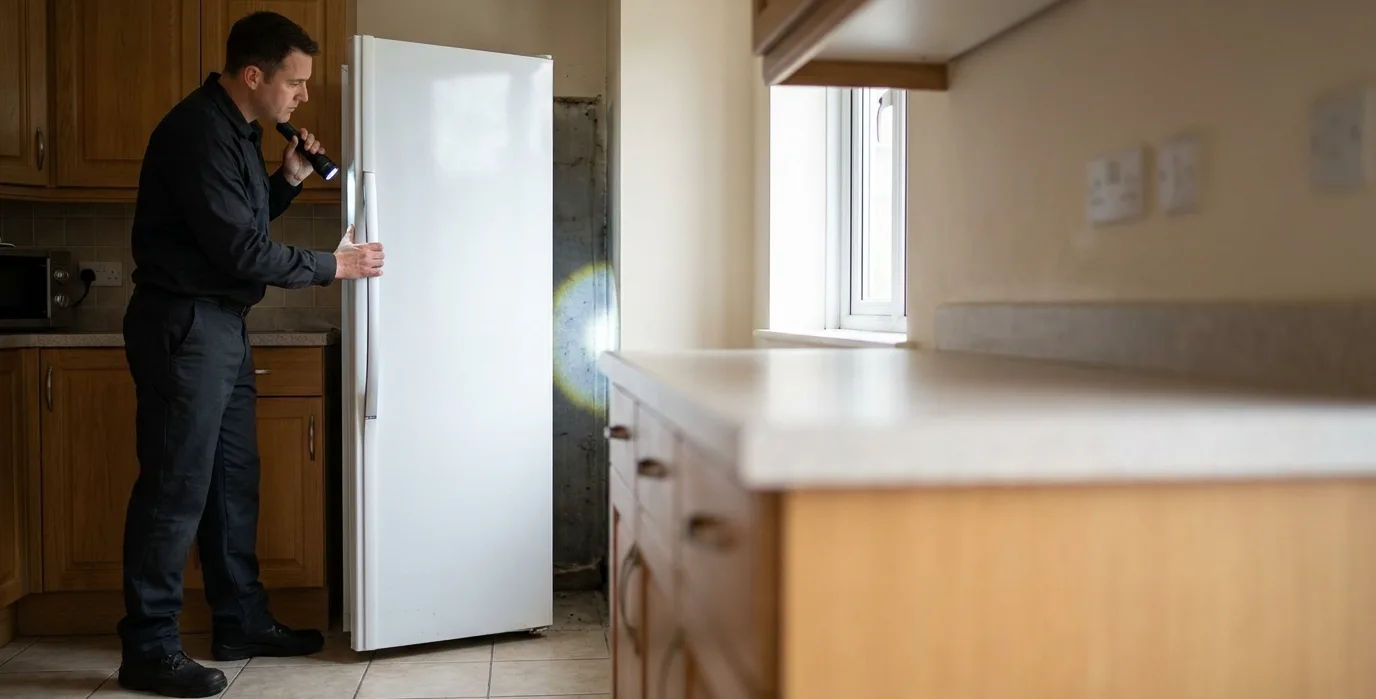
Food areas need the food protected and the appliances pulled out. That is where mice actually live, not in the middle of the floor.
Mouse Extermination in Las Vegas
Mice are the quiet version of this problem. There is no scratching overhead and nothing large enough to see from across a room, so what usually prompts the call is small and specific: droppings in a drawer, a chewed corner on a cereal box, a smell in the cupboard under the sink that will not go away. By that point there is generally a nest somewhere within a few metres of whatever you found.
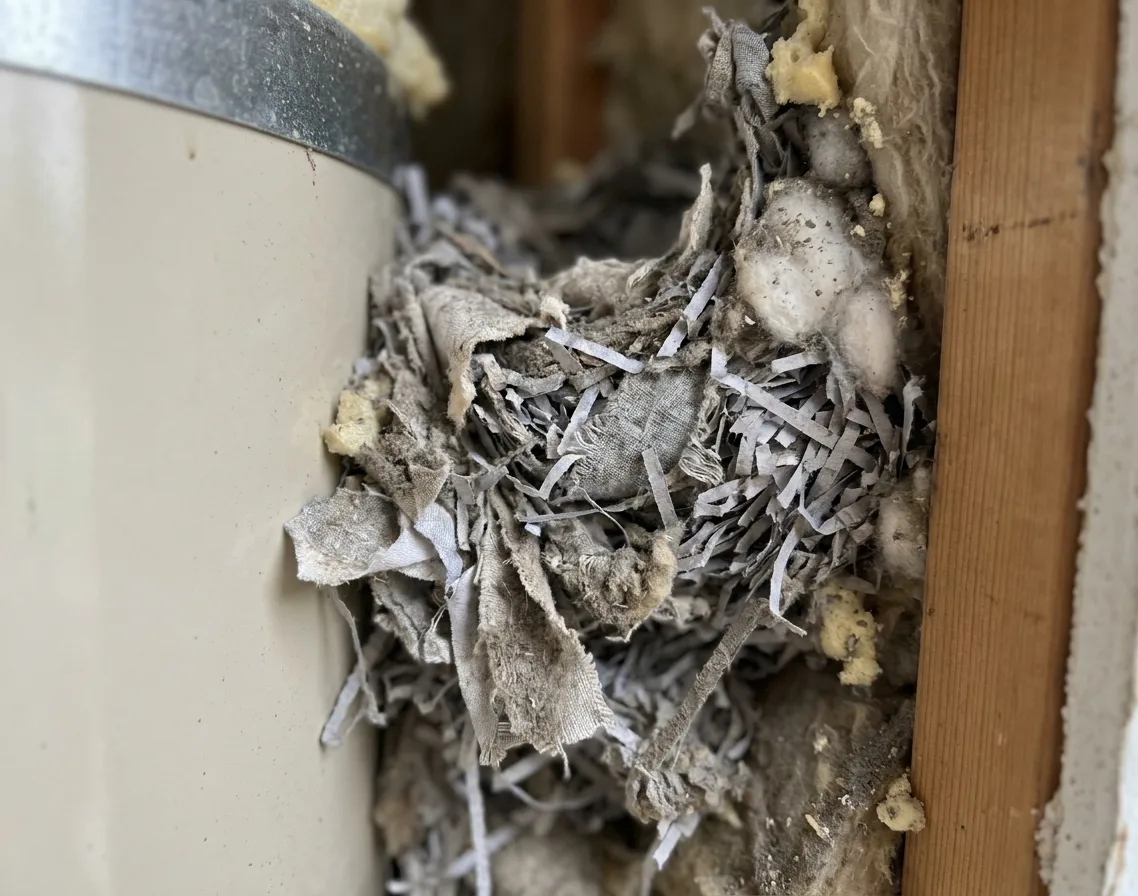
The house mouse is what we deal with almost every time. It is small, grey-brown, with a fine tail and a pointed face, and it lives close in — wall cavities, the backs of kitchen units, the insulation around a water heater, stored cardboard in a garage. It does not range far. A mouse spends most of its life inside a territory of a few metres, which sounds convenient and is actually the reason so many people fail to clear them.
What Makes Mice Different From Rats
The Measurement
A mouse gets through about a quarter of an inch. If a pen fits, so does the mouse. That single fact changes the whole character of the exclusion work, because the list of things that count as an opening becomes enormous: the gap under a garage side door, the space around a gas line, the joint where a wall meets the slab, a torn corner of vent screen, the hole a cable was pulled through and never sealed. Rat exclusion is about finding a handful of significant openings. Mouse exclusion is about being thorough with dozens of trivial ones.
The Territory
Because mice range so little, a few traps spread evenly around a house cover almost none of the population's actual ground. A mouse living behind the dishwasher may never encounter a trap in the hallway. This is the single most common reason a homeowner concludes the traps "are not working" — they are working perfectly, they are just nowhere near anything. We set densely, tight against walls and behind units, and we treat the first week's catch pattern as a map of where the nests are.
The Arithmetic
A female house mouse can produce a litter roughly every three weeks, and those young are breeding themselves within a couple of months. That is why one sighting is rarely one mouse, and why a slow trapping effort loses. You have to get ahead of the breeding rather than keep pace with it, which again means numbers of traps rather than patience.
Where They Actually Live
Rarely anywhere visible. On a first visit the productive work is pulling things out and looking behind them, which is less pleasant than it sounds and more useful than anything else we do:
- Behind and underneath the cooker, the fridge and the dishwasher, where there is warmth, spilled food and a cavity
- Inside the void around a water heater, particularly where it is insulated
- The backs of pantry and base units, reached through the gap where the plumbing passes
- Stored cardboard, paper and soft furnishing in a garage, which is nesting material and cover in one
- Wall cavities, reached from the garage or from a utility penetration
- The engine bay of a car that has not moved in a while, which surprises people every time
What we find in those places tells us more than a sighting does. Droppings concentrate near a nest, so their distribution is a direction as well as a confirmation.
Summer Does Not Help
There is a general belief that rodent problems are a winter matter. In this valley that is not true for mice. A Las Vegas summer pushes them further into buildings rather than out of them, because a conditioned interior offers cool and moisture that simply is not available outside. We take as many mouse calls in July as in January.
What changes is the location. High summer concentrates activity around water — kitchens, laundries, the condensate line on an air handler, a bathroom with a slow leak. In cooler months it spreads out and moves towards warmth. Either way, the building is the destination.
Trapping Done Properly
We use snap traps as the primary tool, set in numbers, positioned flush against walls and in the corners and gaps mice actually run. Mice are curious rather than wary — unlike rats, they will investigate something new quite readily — which means placement matters more than pre-baiting does. What they will not do is cross open floor to reach something.
Glue boards have a narrow role, mostly for monitoring in places where a snap trap cannot safely go. We do not use them as the main method. They catch slowly, they catch things that were not the target, and an animal left alive on a board is not something we want to hand a customer.
Bait has a smaller role indoors for mice than most people expect, for the same reason it does with rats: a mouse that dies in a wall cavity is a smell you will live with for weeks, and mice die close to where they nest. Where we use rodenticide it is in exterior stations, on properties with sustained outside pressure.
Food, and the Part You Control
We will go through this with you rather than leave a leaflet. Mice need very little — grams a day — so the standard advice about crumbs is less useful than it sounds. What actually sustains a population is a reliable bulk source: an open bag of flour or rice, dry pet food in its paper sack, bird seed in a garage, a pantry of cardboard boxes rather than sealed containers.
Moving dry goods and pet food into hard-sided containers with proper lids removes the food supply in an afternoon, and it does more than any additional trap we could set. Cardboard is worth mentioning twice, because it is simultaneously a food store's packaging, a nesting material and a hiding place.
Cleaning Up
Mouse droppings and urine accumulate in the places mice live, which means inside cupboards, in drawers, on pantry shelves and in the insulation around appliances. It carries salmonella and other organisms, and it is in exactly the places food is kept.
We clear and treat the contaminated areas as part of the work rather than leaving that to you. Where nesting material is in insulation it comes out. If you do want to deal with any of it yourself, the one thing worth saying is not to sweep or vacuum dry droppings — dampen them first, because the risk in this material is from what gets into the air.
Kitchens and Food Businesses
Restaurants, cafes, food storage and anywhere with an inspection regime need the work sequenced differently rather than done differently. Traps and monitoring have to go where they will not be found by a customer or fall foul of an inspector, the work has to fit around service hours, and there has to be documentation of what was placed, where, and what it caught. If the catch pattern stops making sense, that is the point to call Rodent Control Las Vegas rather than keep resetting.
The pressure points are consistent: delivery doors propped open, cardboard stored against a wall, gaps around service penetrations in a back-of-house corridor, and voids above a suspended ceiling that run the length of a building and past a party wall into somebody else's problem.
Knowing When It Is Finished
A mouse job is not over when the catch slows down. It is over when the catch stops, the fresh droppings stop appearing, and the exclusion has been checked. Those are three separate things and we look at all of them before saying the work is done.
We come back to read the pattern rather than asking you to judge it. If traps in one corner of a garage are still producing while everywhere else has gone quiet, that tells us there is a nest we have not reached and an opening we have not found, and that is worth another visit rather than a hopeful conclusion.
★ FAQ
Frequently Asked Questions
Usually it is a sign rather than the whole of it. House mice breed quickly -- a female can produce a litter roughly every three weeks, and the young are breeding themselves inside two months -- so a mouse seen in daylight in a room people use is more often a crowded population pushing an animal into the open than a lone wanderer. We would rather look and tell you it is one mouse than assume it and be wrong.
About a quarter of an inch, which is roughly the thickness of a pencil. If a biro fits through a gap, so does a mouse. That is why mouse exclusion is fussier work than rat exclusion: the list of things that qualify as an opening is far longer, and it takes in gaps under doors, the space around a gas line, a torn vent screen and the joint where a garage wall meets the slab.
The head and the tail settle it. A young rat has a head and feet that look oversized for its body and a thick tail; an adult mouse is small all over with a fine tail and a pointed face. It matters because the two are trapped and excluded to different measurements, and because a young rat means there is an adult population somewhere producing it.
Rarely anywhere you can see. Mice nest in wall cavities, under and inside kitchen appliances, in the insulation of a water heater cupboard, in stored cardboard in a garage, and in the backs of pantry units. Pulling out the cooker and the fridge is one of the more productive things we do on a first visit, and one of the least popular.
Not in this valley. A Las Vegas summer drives them further in rather than out, because a conditioned building holds the water and the cool they cannot get outdoors. We see as much mouse work in July as in January. What does change is where they are: high summer pushes activity towards kitchens, laundries and anywhere with condensation.
No. They are sold well and they do not work. Mice habituate to sound within days, and the devices do nothing about the gap the animals are using or the food they are reaching. We would rather tell you that than let you spend another month on it.
Many more than most people expect. Mice range only a few metres from a nest, so a handful of traps spread thinly across a house covers almost none of the population's actual territory. We set densely along the walls and behind the units where they travel, and we keep adjusting placement as the catch pattern tells us where the nests are.
📍 On the map
How We Handle Mice in Las Vegas
Find the nests, set for numbers, then close the quarter-inch
We start behind the appliances and in the storage, because that is where mice actually live. Traps go in densely along the routes they use, and the catch pattern over the first week tells us where the nests are so placement can be tightened. Exclusion is the finishing work and the fussiest part: every quarter-inch opening closed in steel and mesh, including the ones under doors and around pipework that look far too small to matter.