
Rat Control in Las Vegas, NV
Roof rat and Norway rat control for Las Vegas valley homes, restaurants and commercial buildings
- Rodent control
- Straightforward pricing
- Local technicians
Get a price for your property
- Fast, courteous service
- Clear, upfront pricing
A Las Vegas technician is on the line now.





The Roof Is the Front Door
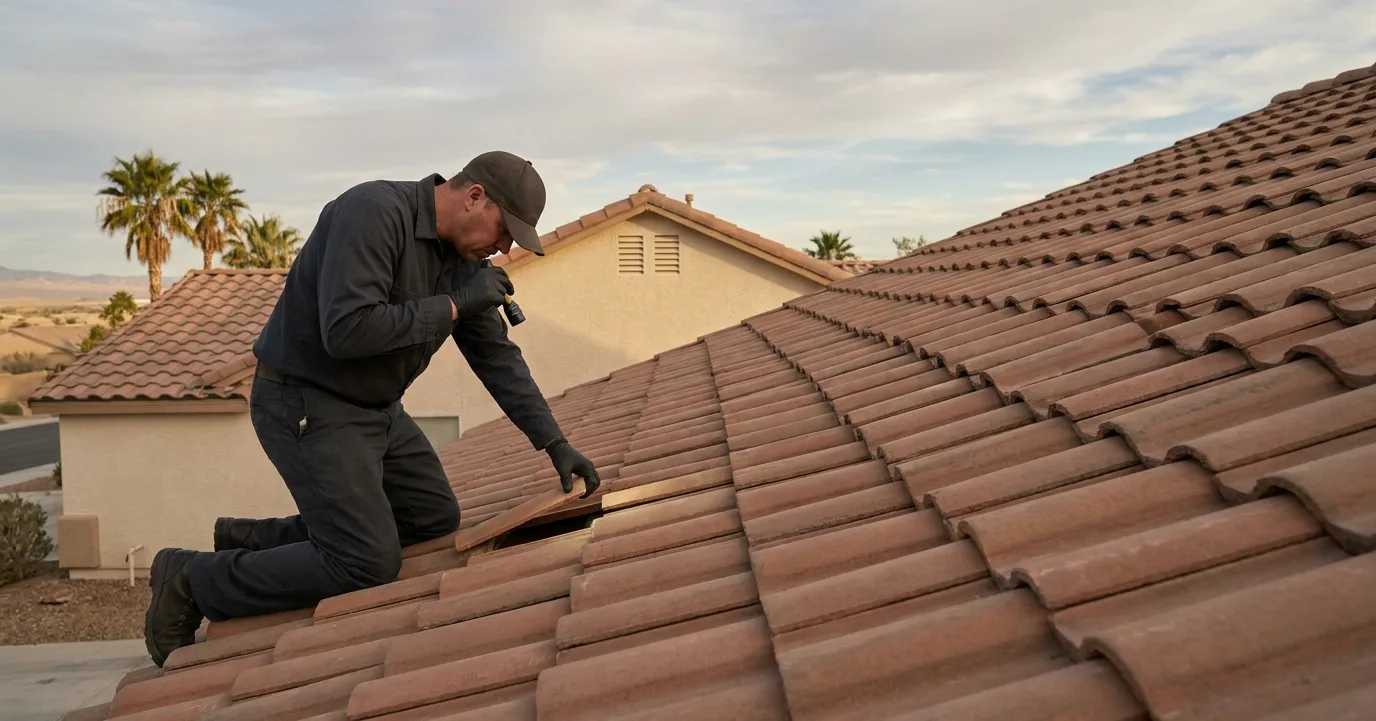
Valley rats travel high -- palm skirts, block walls, tile roofs. We inspect the roofline first, because that is where they get in.
Sealed Before Baited
Killing the rats in a building that is still open just makes room for the next ones. Exclusion comes first here, not as an upsell.
Proof, Not Assurances
You get photographs of every entry point we find and every one we close, so you can see what you paid for.
Rat Control in Las Vegas
Rats are the most common call we take, and the one people put off longest. Scratching overhead gets explained away as the air-conditioning, a settling roof, birds on the tiles. By the time somebody rings, there is usually droppings in the garage, a chewed irrigation line, and a nest that has been in the attic since before the weather turned.
Southern Nevada has two rats worth naming. The roof rat is the one behind most residential work in the valley — slighter, dark, with a tail longer than its body and ears large enough to see from across a garage. It is an exceptional climber, and it lives above you rather than beside you. The Norway rat is heavier and stays low: sewers, crawl spaces, the ground behind a restaurant bin store. Which one you have decides where the traps go, and getting that wrong is the single most common reason a homeowner's own attempt goes nowhere.
Why the Valley Suits Them So Well
Palms, and What Lives in Them
An untrimmed palm is close to a purpose-built rat nest. The skirt of dead fronds under the crown is dry, insulated, hidden from hawks and owls, and on most properties it is within jumping distance of a roof. Roof rats use them constantly. Where a palm overhangs the tiles, the tree is not just a nest site, it is the bridge in. Trimming the skirt out and cutting the fronds back off the roofline removes both in one go, and on some properties it does more than anything we could set inside the house.
Block Walls as Roads
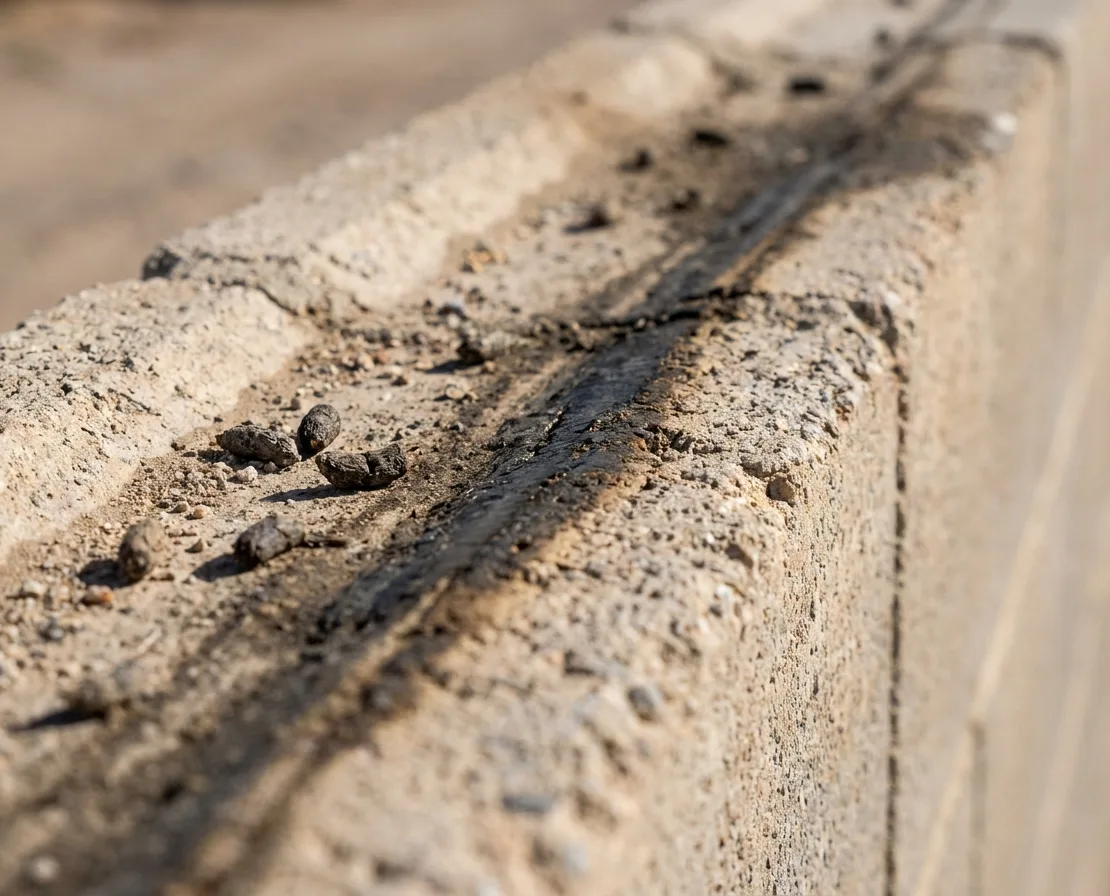
Almost every property in the valley is bounded by a block wall, and rats travel along the top of them the way we use pavements. It is a continuous, elevated, sheltered route that connects one garden to the next for the length of a street, which is why rat problems here are so often a neighbourhood matter rather than a single-house matter. It also gives us something useful: the rub marks and droppings left along a wall top tell us where the animals are coming from before we have set anything. Roof rats account for most of what Rodent Control Las Vegas is called out to across the valley.
Fruit, Water and Bins
A citrus tree that drops fruit, a bird feeder, a dog bowl left out, a leaking drip line, a bin store that does not quite close — any one of those will hold a population. Water matters more here than it would elsewhere. Rats need to drink, and in a desert a reliable leak is worth defending. We point these out because sealing a building while the grounds still feed and water a population outside means we are managing a queue rather than ending a problem.
Construction Next Door
Grading and demolition displace whatever was living on the ground, and the animals move to the nearest cover, which is the finished street next door. If a rat problem started the same month the lot behind you was cleared, that is very likely the reason, and the pressure usually eases once the work moves on. It still has to be dealt with, but it explains why a house that was fine for eight years suddenly is not.
How They Get In
A roof rat passes through a gap around the size of a 50-cent piece. A young one needs less. On Las Vegas housing stock the openings we find most are consistent enough to list, and almost none of them look like a way into a building:
- The bottom corners of a roller garage door, where the seal lifts away from the concrete
- The gap where a tiled roof meets the fascia board, which on many valley roofs is open along its whole length
- Attic vents, gable vents and dryer outlets with damaged screening or none
- The wall penetration where the air-conditioning line set enters, usually sealed once with foam that has since perished
- The weep screed along the bottom of the stucco, particularly where soil or gravel has been built up against it
- Plumbing and utility penetrations under sinks and behind washing machines
We photograph each one before it is closed and again afterwards. It is the simplest way for you to see what was actually done, and it settles the question of whether the work was thorough far better than a line on an invoice.
Trapping, and Why Placement Is the Whole Job
Rats are neophobic — genuinely wary of anything new in a familiar space. A trap dropped in the middle of a garage floor will be walked around for days. The same trap set flush against the wall the animals are already using, on the beam their droppings are sitting on, works the first night.
So the inspection is not a formality that precedes the real work. Reading the runs is the real work. Droppings, greasy rub marks where fur has repeatedly brushed timber, gnawing, and the tracks left in dust all tell us the circuit an animal is running between its nest and whatever it is eating. Traps go on that circuit. In a roof rat job that usually means working in the attic rather than in the kitchen, which is also why so many people conclude they have no rats when the kitchen traps stay empty.
We check on a schedule rather than leaving traps down and hoping. A trap that has caught something and sat for a fortnight is a smell and a fly problem, and an untended trap line stops telling us anything about whether we are winning.
Where We Stand on Poison
We use rodenticide sparingly, in tamper-resistant exterior stations, and we will tell you when we think it is the wrong tool. The reasoning is practical rather than ideological.
Bait does not kill a rat where you can collect it. It kills it wherever it happens to be a day or two later, which in a house that has an active roof rat population means inside a wall cavity or a roof void. In a Las Vegas summer that is a genuinely serious problem, and the only fix is opening up the structure to find it. Interior baiting also puts poison somewhere pets and children can reach, and it passes up the chain into the owls, hawks and coyotes that hunt these same rats for free.
Exterior stations, placed against the routes the animals actually use and maintained properly, have a place in ongoing commercial work and on properties under constant pressure from open desert. Scattering bait around a garden does not.
Cleaning Up After Them
An established population leaves behind droppings, urine-soaked insulation, nesting material, and chewed cabling that is a real fire risk. That contamination carries the diseases people worry about, it stays there after the animals have gone, and its scent is an active advertisement to the next rat that this was a good place to live.
Cleanup is part of the job rather than a separate quote that appears once you are committed. Where insulation has been soiled it comes out and is replaced. Where wiring has been gnawed we will tell you plainly that it needs an electrician, because it does, and it is not something to leave.
Commercial Work
Restaurants, food storage, warehousing and multi-unit residential all bring their own version of the problem. Bin stores and grease traps concentrate the food. Roller doors that spend the day open remove the barrier entirely. Suspended ceilings and service voids give unbroken travel across a whole building, and a shared wall means a neighbouring unit's problem is also yours.
The approach does not change — find the runs, close the building, place stations where they earn their place — but the emphasis shifts to exclusion and monitoring, because a commercial building cannot be sealed once and forgotten while its doors stand open for trade. We work around service hours and provide the documentation an inspection will ask for.
What We Will Tell You Straight
If the pressure on a property is coming from something we cannot fix, you will hear it from us. A neighbouring lot full of rubbish, an unmaintained shared bin store, a row of untrimmed palms along a boundary that is not yours — those keep a supply coming regardless of how well your building is sealed. Sealing still works, and it is still worth doing, but we would rather set the expectation than take money and let you find out.
The same goes the other way. Where a job is straightforward we will say so. A single roof rat that came in through one obvious vent is not a monthly contract, and quoting it as one would be dishonest.
★ FAQ
Frequently Asked Questions
Across most of the valley it is the roof rat. It is the smaller of the two, with a tail longer than its body and large thin ears, and it climbs extremely well -- which is why it turns up in attics, palm crowns and roof voids rather than at ground level. Norway rats are heavier, blunter-nosed and stay low, so they show up in sewers, crawl spaces and around commercial bin stores. The distinction matters because it changes where traps go: setting for a ground rat when you have a roof rat is the most common reason a DIY attempt fails.
Because roof rats rarely come down. They run a fixed circuit between a nest and a food source, usually along the top of a wall or a beam, and they will not detour to the middle of a floor for bait. Traps have to sit on the run itself -- against the timber, in the loft, on the route their droppings and rub marks show us. Placement is most of the job.
A roof rat gets through a gap the size of a 50-cent piece, and a young one needs less. The openings we find most on Las Vegas housing stock are the corners at the bottom of a roller garage door, gaps where a tiled roof meets the fascia, unscreened attic and dryer vents, the space around an air-conditioning line set where it enters the wall, and the weep screed along the bottom of the stucco. None of them look like a way into a house until you are underneath with a torch.
They matter more than almost anything else on a Las Vegas property. An untrimmed palm keeps a thick skirt of dead fronds that is dry, sheltered, out of sight and directly connected to the roof. Roof rats nest in them readily. If a palm is touching or overhanging the roofline, trimming the skirt and cutting the fronds back off the tiles removes a nest site and a bridge in one afternoon.
Not as the first move, and not on your own around a home. Bait kills rats where they happen to be, which is frequently inside a wall or a roof void, and a dead rat in a cavity in July is a problem you will remember. It also puts poison on a property where pets, children and the owls and hawks that hunt these rats can reach it. We use exterior stations where they earn their place, and trapping and exclusion where they do not.
For a typical house, trapping clears the active animals in one to three weeks depending on how established they are. The exclusion work is what actually ends it, and that is usually one visit once the inspection has told us what needs closing. A long-running infestation with attic contamination takes longer because the cleanup is a separate piece of work.
Not through an opening that has been closed properly. They will try -- rats follow scent trails back to the places that worked, which is exactly why we seal in steel mesh and metal rather than foam, and why we go over the whole structure rather than the one hole you noticed. What brings a new population in is the surroundings: fruit left on a tree, an overflowing bin store, a neighbour's untrimmed palms. We will tell you which of those applies to your property.
📍 On the map
How We Handle Rats in Las Vegas
Confirm the species, find the runs, then close the building
The inspection settles which rat you have and where it is travelling, because a roof rat and a Norway rat are caught in different places entirely. Traps go on the runs themselves rather than anywhere convenient. Openings are sealed in steel mesh and metal flashing that cannot be chewed, working the roofline first. Then the contamination is cleaned up and we go through what on the property is still inviting them in.