
Commercial Rodent Control in Las Vegas, NV
Rodent control for Las Vegas kitchens, warehouses, hotels and multi-unit properties, documented for inspection
- Rodent control
- Straightforward pricing
- Local technicians
Get a price for your property
- Fast, courteous service
- Clear, upfront pricing
A Las Vegas technician is on the line now.





Boundaries, Not Buildings
Doors that open for trade cannot be sealed. Commercial work manages a boundary rather than closing an envelope.
Records That Survive an Audit
A consistent history of what was placed, found and done. That is what an inspector asks for, and it cannot be made later.
Scheduled Around Trading
Overnight and off-peak attendance as standard, rather than as a favour.
Commercial Rodent Control in Las Vegas
Every principle of domestic rodent work assumes the building can be closed. Commercially it cannot. Deliveries, service access and trade require openings on a schedule rodents learn quickly, and the food is concentrated in bin stores and grease traps rather than scattered through a house. So commercial work is about managing a boundary, monitoring what crosses it, and producing records that stand up when somebody official asks.
What We Work On
Restaurants, Bars and Kitchens
The highest-pressure environment we deal with. Food is concentrated, waste is concentrated, doors stand open through service, and there is usually an inspection regime attached. Work is scheduled around trading rather than through it.
Hotels, Motels and Short-Term Rentals
High turnover changes the waste picture more than people expect: rubbish left in units between stays and bins overfilled at irregular intervals sustain a population that then has the run of the service voids. Discretion matters here, and we work accordingly. Rodent Control Las Vegas schedules commercial work around trading hours rather than through them.
Warehouses and Distribution
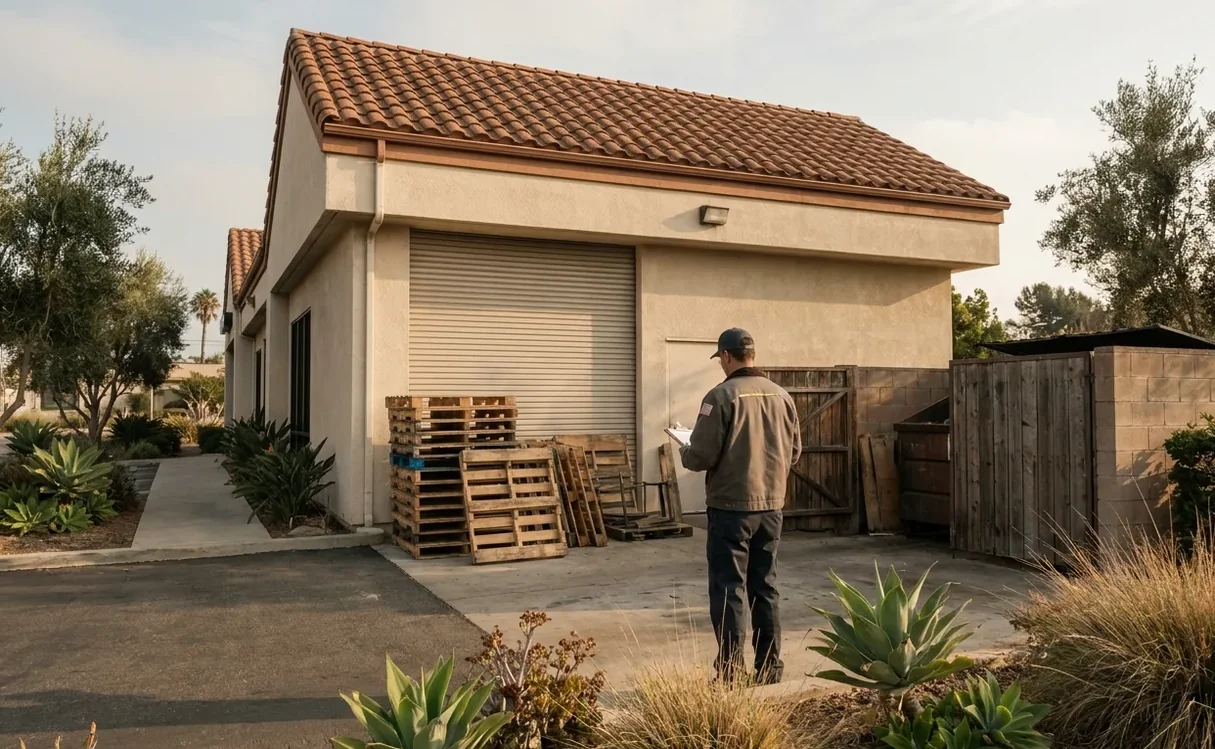
Roller shutters, dock levellers and personnel doors are the way in, and none of them can simply be sealed. Racking and stored pallets against walls give harbourage and travel routes at once, and pulling storage clear to leave an inspection aisle does more than most treatment.
Offices and Retail
Usually lower pressure, and usually a shared-building problem when it does occur — the population belongs to the block or the landlord rather than to the tenancy reporting it.
Multi-Family and HOA Properties
Populations move between units continuously, which makes the question of who is responsible more complicated than the question of what to do. Documentation is what moves those decisions.
Medical and Care Facilities
Low tolerance, high documentation requirements, and constraints on where anything can be placed. All three are workable provided they are established before the first visit rather than discovered on site.
The Six Places Commercial Problems Start
Across almost every premises the same half-dozen locations account for most of what there is to find, and an inspection that covers them properly rarely misses much.
The Bin Enclosure
Bagged waste rather than closed containers, bins that do not shut, a wash-down area that stays wet, and cardboard stacked against a wall. This is the single most common source, and it is frequently not under the operator's sole control.
The Delivery Dock
Doors held open on a schedule, dock leveller gaps, and goods standing outside before they come in. Rodents learn delivery times.
Dry Storage
Cardboard is packaging, nesting material and cover simultaneously. Goods on the floor and against walls remove any chance of seeing evidence early.
Under and Behind the Line
Warmth, spillage and inaccessibility together. It is unpleasant to pull equipment out and it is where the evidence is.
The Grease Interceptor and Floor Drains
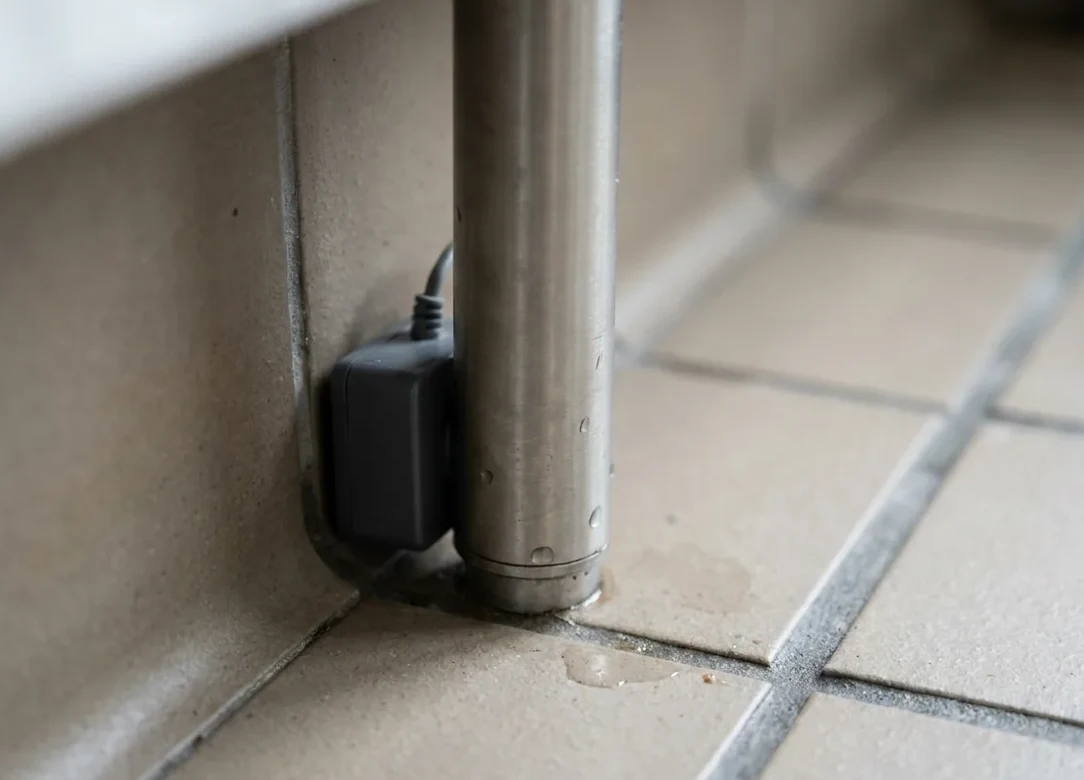
A dried-out floor drain has lost the water seal in its trap and is an open route from the drain network. It costs nothing to check and to refill.
The Roof
Services penetrations, extract terminations and roofline gaps. Roof access is skipped on a lot of commercial inspections and it should not be.
How the Work Runs
Survey and Site Plan
The premises is walked and mapped, monitoring positions are fixed and recorded, and the constraints — trading hours, access, where nothing may be placed — are agreed before anything starts rather than negotiated on site.
Trapping and Monitoring
Trapping clears what is present, placed where it will not be found by a customer or fall foul of an inspector. Monitoring points are read as data rather than merely checked: which points are active, how heavily, and whether that is changing tells you where pressure is arriving from.
Exclusion, Within the Constraints
What can genuinely be closed is closed in steel mesh and metal flashing. What cannot be closed gets improved — brush seals and strip curtains on doors that must open, better closure discipline, dock leveller gaps addressed. Nobody is going to seal a loading bay, and pretending otherwise wastes your money.
Sanitation and Structural Recommendations
Written plainly, including the parts that are somebody else's to act on. Where the bin enclosure is shared or the landlord controls the yard, the finding is written so it can be handed over.
Documentation
What was placed, where, what was found, what was done. Kept consistently so the history is legible rather than each visit standing alone. That record is what an audit actually wants, and it cannot be produced retrospectively.
What Happens When an Inspector Arrives
An inspection is rarely lost on the presence of a single rodent. It is lost on the absence of a credible, documented response — no records, no evidence that anyone identified a route in, no history showing the problem being tracked.
A consistent monitoring record, dated photographs of exclusion work, and written recommendations that were acted on demonstrate competence in a way that nothing produced on the day can. That is the practical reason the paperwork matters as much as the traps.
Your Staff Are the Best Monitoring You Have
Nobody sees a premises more often than the people working in it, and a kitchen porter who mentions droppings behind the dry store on the day they appear is worth more than any device we could place. It is worth telling staff explicitly that reporting a sighting is wanted rather than a complaint about their cleaning — a great many commercial problems get large because the first person to see something assumed they would be blamed for it.
Emergency Attendance
Where a premises has had to stop trading we attend the same day wherever we can, and we say so honestly on the phone when we cannot. The order is: deal with the immediate evidence and any animals, document everything in inspector-ready form, and identify the entry route so there is a credible account of how it happened. Full exclusion is a scheduled return — a building cannot be sealed in an afternoon, and we would rather tell you that at the outset.
★ FAQ
Frequently Asked Questions
The building cannot be closed. A house gets sealed and the problem ends; a premises with deliveries, loading bays and doors that stand open through service has openings on a schedule rodents learn quickly. So the emphasis moves to door seals, strip curtains, storage discipline, a monitored boundary and documentation. The food is also concentrated rather than scattered, which sustains a larger population in a smaller area.
A record of what was placed and where, what activity was found at each point, and what was done about it -- kept consistently so the trend across visits is legible rather than each attendance standing alone. That history is what an inspection or audit actually wants, and it is not something that can be assembled retrospectively when somebody asks.
Six places, and they are the same across most premises. The bin enclosure. The delivery dock and the doors around it. Dry storage, particularly cardboard against a wall. Under and behind the line, where warmth and spillage meet. The grease interceptor and floor drains. And the roof, where services penetrate. An inspection that covers those six properly finds most of what there is to find.
We attend the same day where we can and say so honestly on the phone when we cannot. The order is: deal with the immediate evidence and any animals, document what was found and done in inspector-ready form, and identify the entry route so there is a credible account of how it happened. Full exclusion is a scheduled return, and we will not pretend a building can be sealed in an afternoon.
Yes, and it is usually the only way the exclusion work gets done properly. Overnight and off-peak attendance is normal for us rather than an exception, and we would rather schedule around service than work badly around customers.
In a shared building, frequently yes. Voids above suspended ceilings, riser runs and service corridors carry rodents across tenancy boundaries continuously. It is one of the main reasons our reporting is written so it can be handed to a landlord, a managing agent or a neighbouring operator rather than only to you.
📍 On the map
How We Handle a Commercial Property
Survey the service side, manage the boundary, document the trend
The inspection covers the parts of a building that customers never see: bin enclosure, delivery dock, dry storage, the line, the grease interceptor, floor drains and the roof. Trapping clears what is present. Exclusion closes what can genuinely be closed and improves the seals on what cannot. A monitored perimeter then shows which direction pressure is arriving from, and all of it is recorded in a form an inspection will accept.