
Rodent Control in Las Vegas, NV
Get rats and mice out of your Las Vegas property, and keep them out
- Rodent control
- Straightforward pricing
- Local technicians
Get a price for your property
- Fast, courteous service
- Clear, upfront pricing
A Las Vegas technician is on the line now.





Round-the-clock phone line
Rodents do not keep office hours, and neither does the phone. Call at any time and you reach someone who can book you in.
Scheduling that fits the valley
Early mornings before the heat, evenings after shift work. We work around how this city actually runs rather than a nine-to-five window.
Licensed Nevada technicians
Every technician is licensed in Nevada and works to the label. You get the same person back on a follow-up wherever we can manage it.
Rodent Control Throughout Las Vegas and the Surrounding Valley
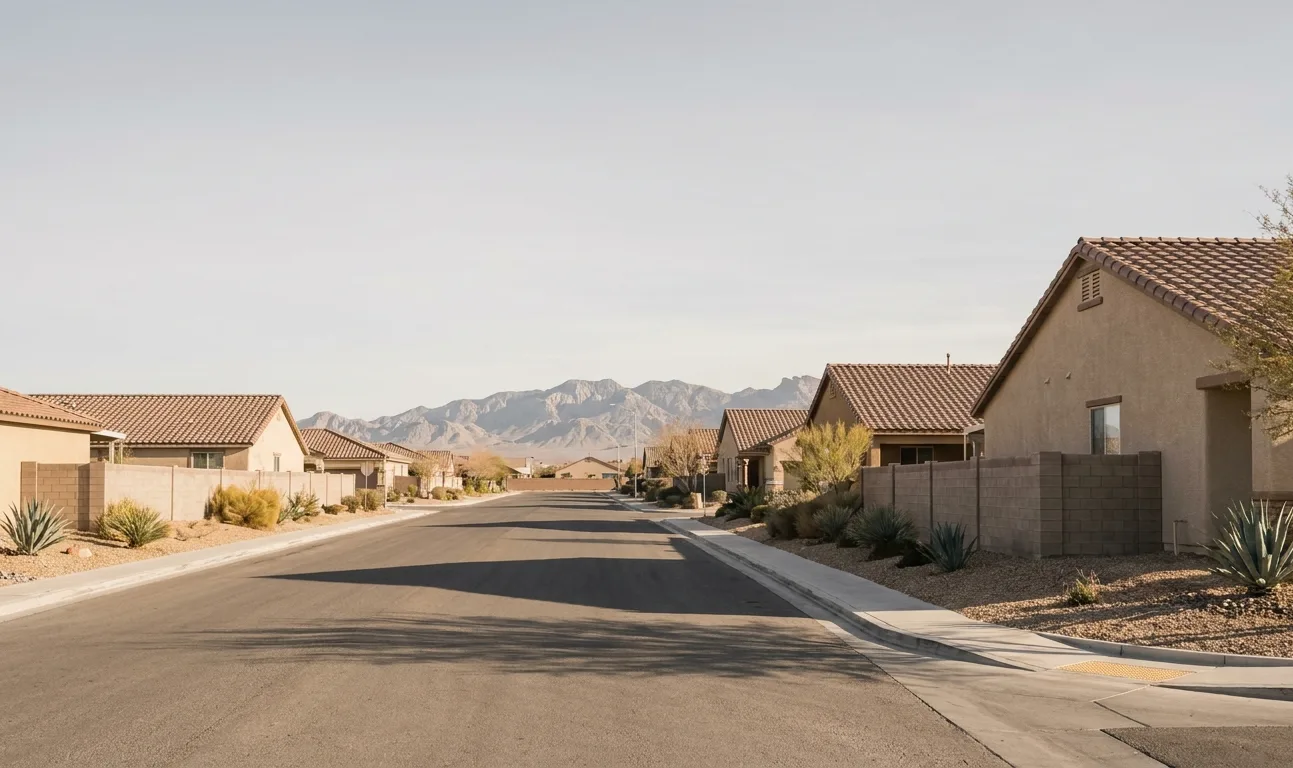
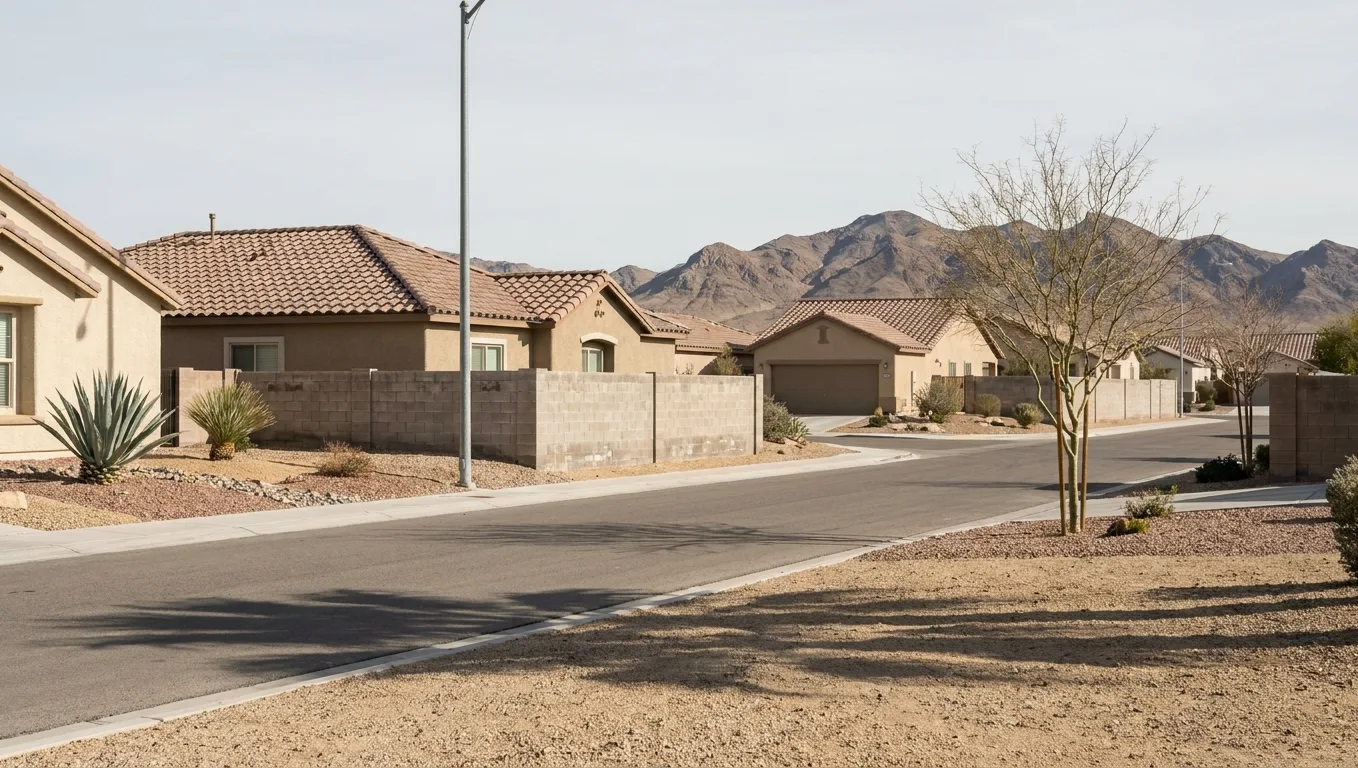
Rats and mice are a structural problem here more than a chemical one, and that is why we do nothing else. We work rodents across Las Vegas, Henderson, North Las Vegas, Paradise, Sunrise Manor, Enterprise, Spring Valley and the neighbourhoods of the wider valley, in homes and in commercial buildings.
The Rodents That Actually Live Here
Most residential calls in this valley are roof rats. They climb, they nest in roof voids and palm crowns, they travel the tops of block walls, and they come in where the tile meets the fascia — which is why traps set on a kitchen floor stay empty while the ceiling carries on being noisy. House mice live closer in, behind appliances and inside wall cavities, and get through about a quarter of an inch. Norway rats stay low and turn up in the older parts of the valley where drain infrastructure has had longer to degrade, in crawl spaces and behind bin stores.
Establishing which one you have is the first thing that happens on any job, because all three are trapped and excluded in different places and to different measurements.
How the Work Is Done
Effective rodent control here is a sequence, and the order is not negotiable:
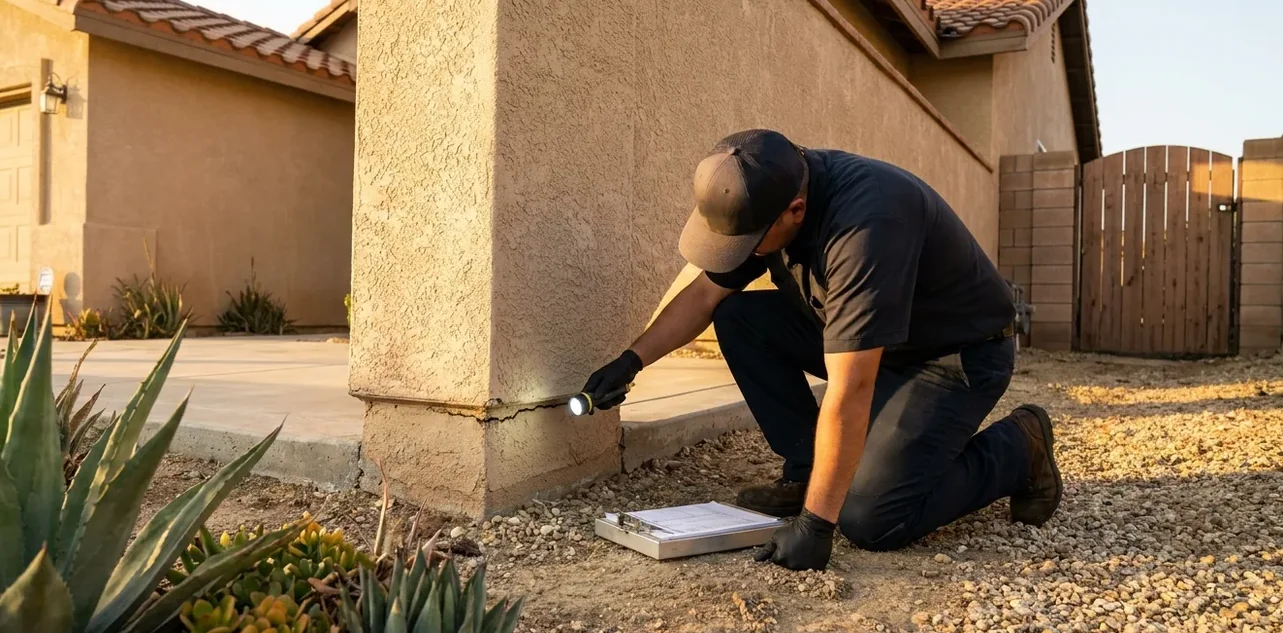
- Inspection: the roof void entered and walked, the roofline, garage, crawl space and exterior covered, and the runs read from droppings, rub marks and flattened insulation
- Trapping: traps set on those runs and checked on a schedule, never left down and revisited when convenient
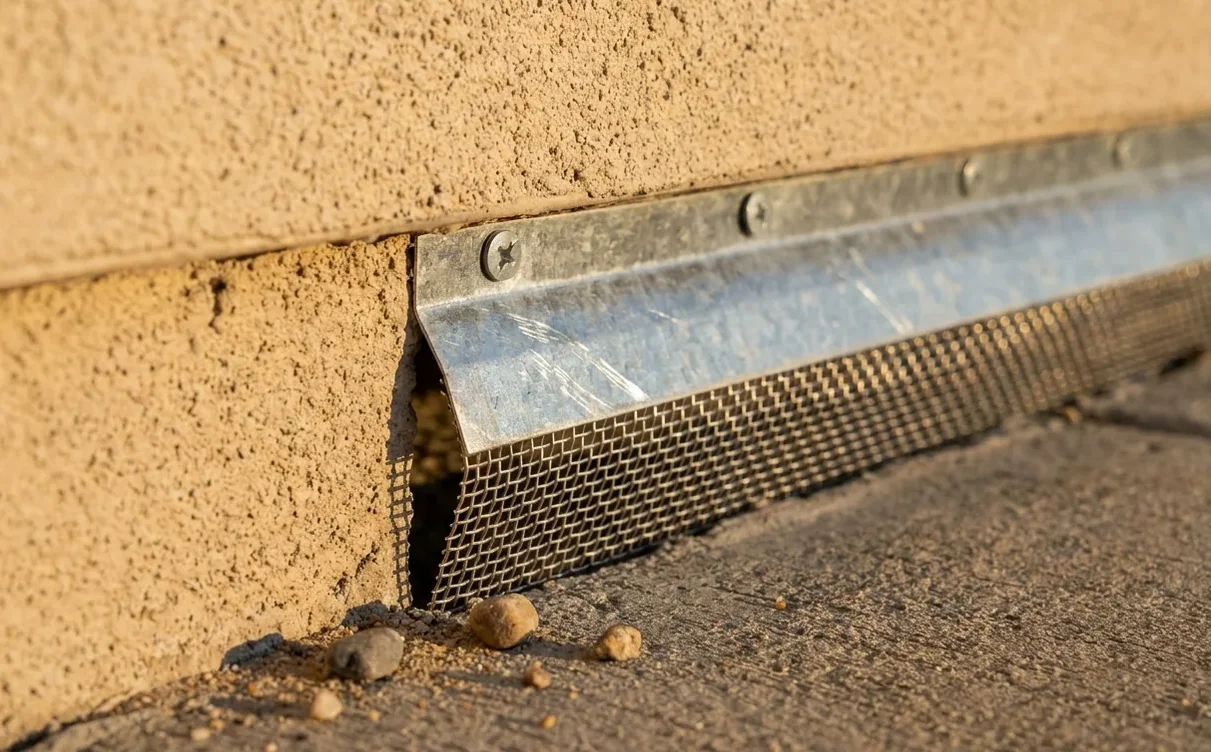
- Exclusion: the building closed in galvanised steel mesh and metal flashing — never expanding foam, which rodents chew straight back open
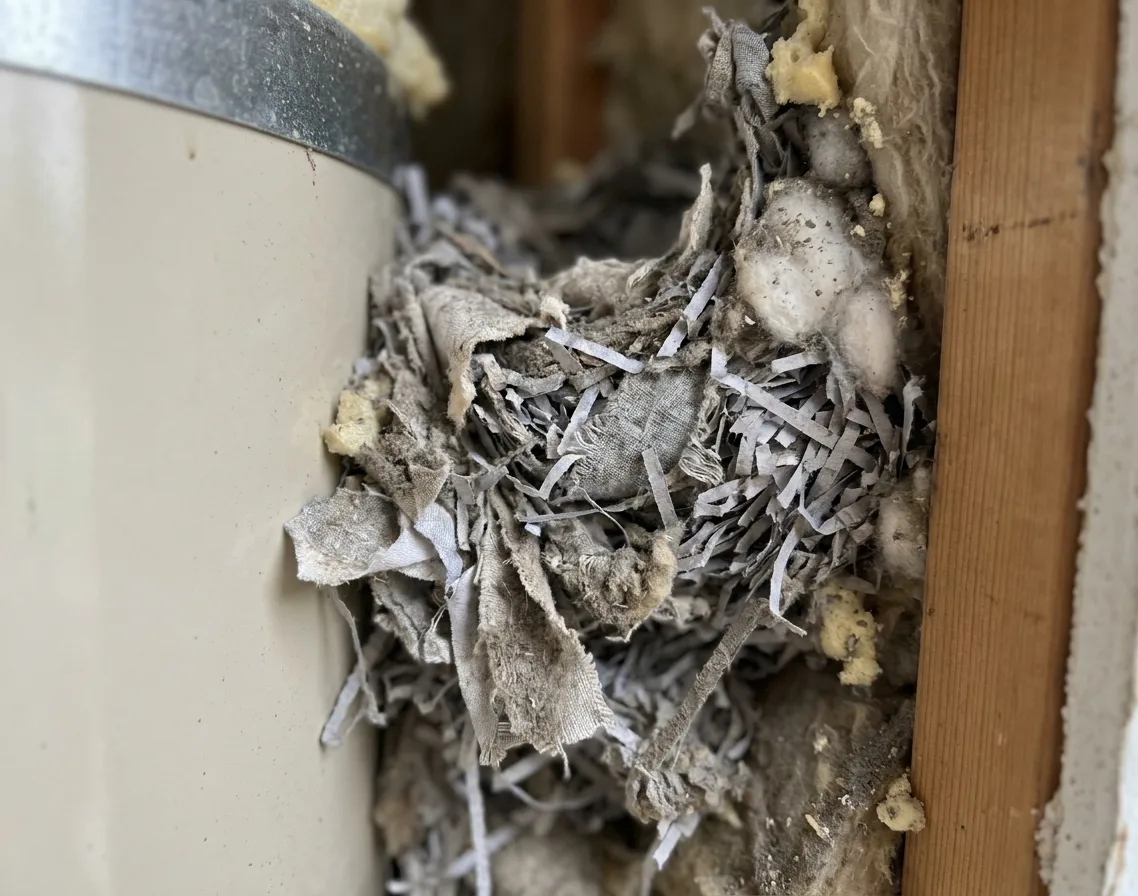
- Cleanup: droppings, nesting material and soiled insulation removed and the void treated, because contamination does not leave with the animals
- Grounds: the palm skirts, fruit, bins and overhanging branches still inviting them in, pointed out plainly
Trapping always comes before sealing. Closing a building with an active population inside traps animals in the walls and roof void where they die, and in a Las Vegas summer that becomes a severe odour problem within days.
Why Rodents Are Worth Taking Seriously
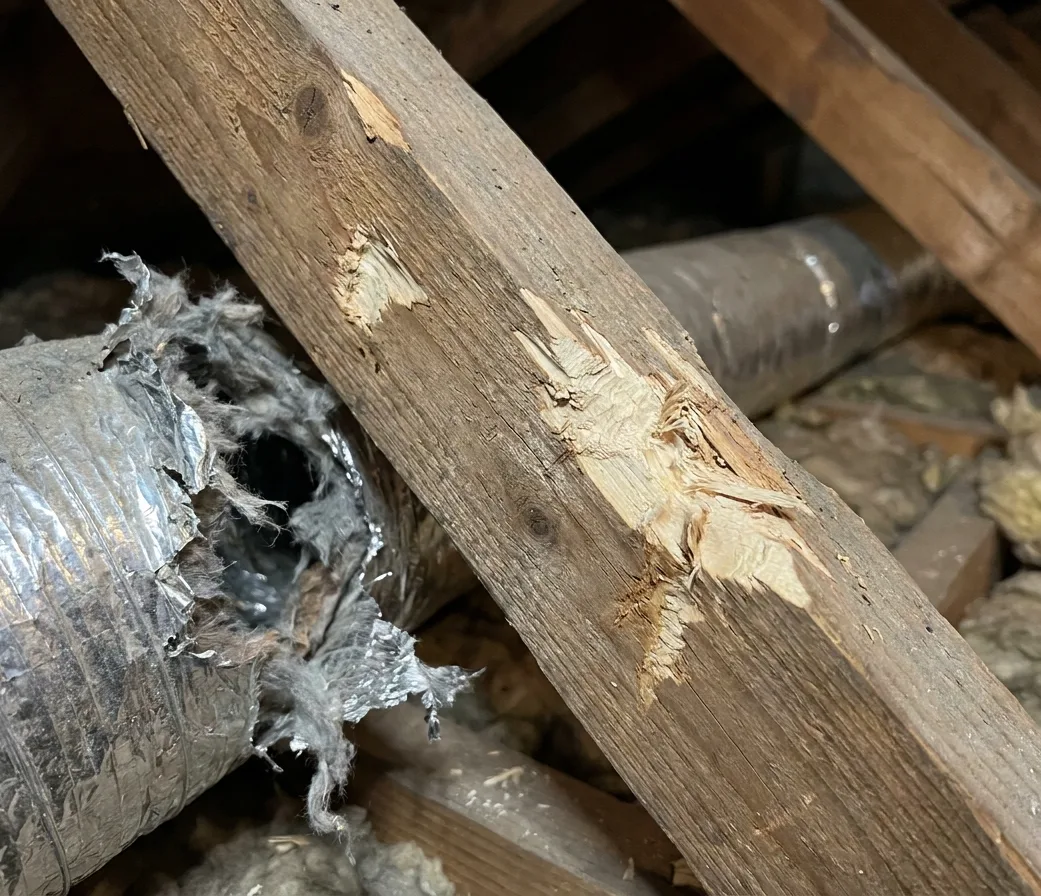
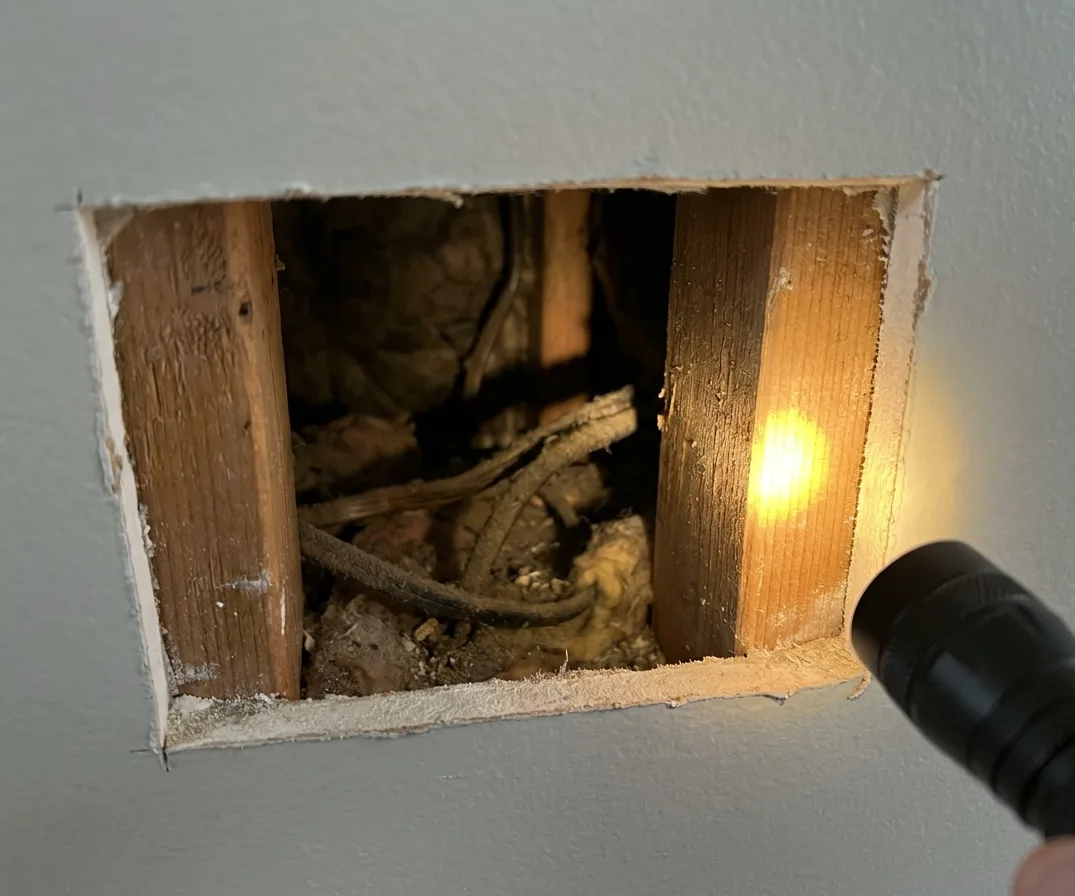
The part that matters most is rarely the part people call about. Rodent incisors grow continuously, and cable sheathing is a convenient material to wear them down on — gnawed wiring in a roof void is a fire risk, and we photograph it and refer it straight to an electrician. Beyond that, insulation is flattened along every run and soaked with urine, which has to be replaced rather than cleaned, and the droppings and nesting material left behind carry organisms that matter and are hazardous to disturb dry.
Protecting Properties Across the Valley
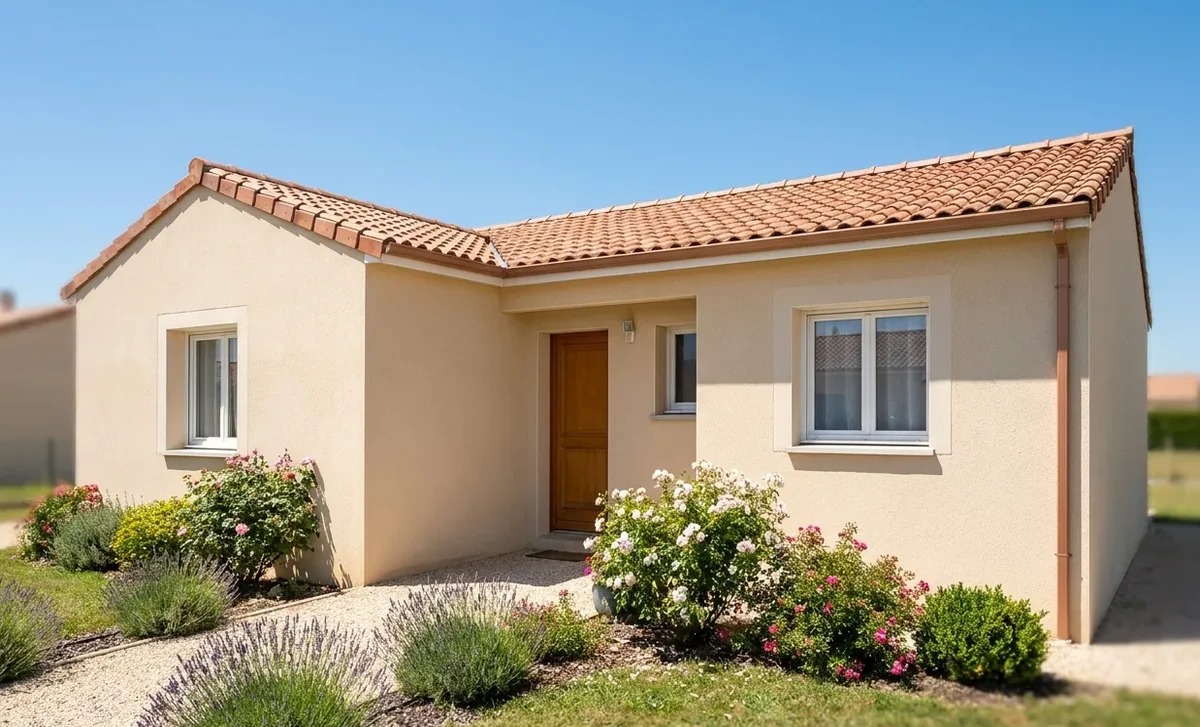
Whether you own a house in Summerlin, manage apartments in Paradise, run a restaurant on the corridor or hold a warehouse in North Las Vegas, the principle is the same and the constraints differ. A house can be closed completely. A building whose doors stand open for trade is a boundary to be managed rather than a problem to be finished, and we will be straight about which one you have.
Rodent Control in Las Vegas
We do one thing. Rats and mice get into buildings across this valley, and we get them out and keep them out. That focus is deliberate rather than a limitation — rodents are a structural problem more than a chemical one, and they are handled properly by people who spend their time in roof voids and on rooflines rather than running a general spray route with rodents as one line on the ticket.
Three animals account for nearly all the work here, and telling them apart is the first thing that happens on any job, because they nest, travel and get caught in completely different places.
The Valley's Three Rodents
The Roof Rat
This is the one behind most residential calls in Las Vegas. It is the smaller of the two rats, dark, with a tail longer than its body and ears large enough to notice. It climbs exceptionally well and it lives above you rather than beside you — roof voids, palm crowns, the tops of block walls.
Everything about handling it follows from that. Roof rats come in where the tile meets the fascia, or through an unscreened attic vent, and they have very little reason to visit a kitchen floor. It is why so many people set traps downstairs, catch nothing for a fortnight, and conclude they must have imagined the scratching.
The House Mouse
Smaller, quieter, and closer in. Mice nest in wall cavities, behind and inside kitchen appliances, in the insulation around a water heater, and in stored cardboard in a garage. They get through about a quarter of an inch, which is roughly a pencil's thickness, and they range only a few metres from a nest.
That small territory is what makes mice deceptively hard. A handful of traps spread evenly around a house covers almost none of the ground the population actually uses, and a female producing a litter roughly every three weeks replaces whatever a slow effort removes.
The Norway Rat
Heavier, blunter-nosed, and a ground animal. It turns up in sewers, crawl spaces, storm drains and behind commercial bin stores, and it is more common in the older parts of the valley where the drain infrastructure has had longer to degrade. Trapping for a roof rat when you have a Norway rat, or the reverse, is the most common reason a self-directed attempt achieves nothing.
Why This Valley Suits Them
Water Is the Limiting Factor, Until It Isn't
In most of the Mojave, water decides how large a rodent population can get. Suburban Las Vegas removes that limit comprehensively. Irrigation runs year round, drip lines leak, condensate drips from air handlers, pools and their equipment hold water, and pet bowls sit outside. A property with a reliable leak is worth defending, and rodents defend it.
Palms
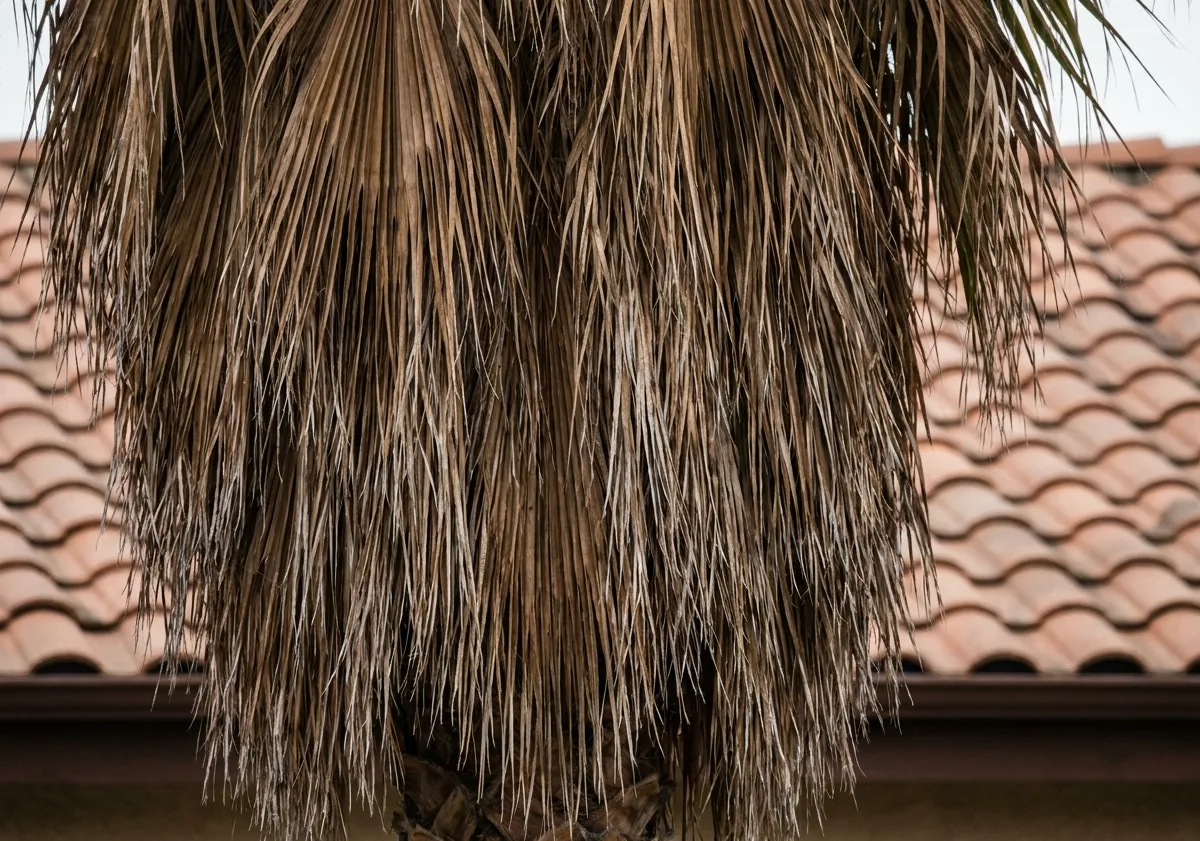
An untrimmed palm is close to a purpose-built rat nest. The skirt of dead fronds beneath the crown is dry, insulated, hidden from owls and hawks, and on a great many properties within jumping distance of a roof. It is a nest site and a bridge in one structure, and trimming it out is frequently the single most effective thing done on a job.
Block Walls
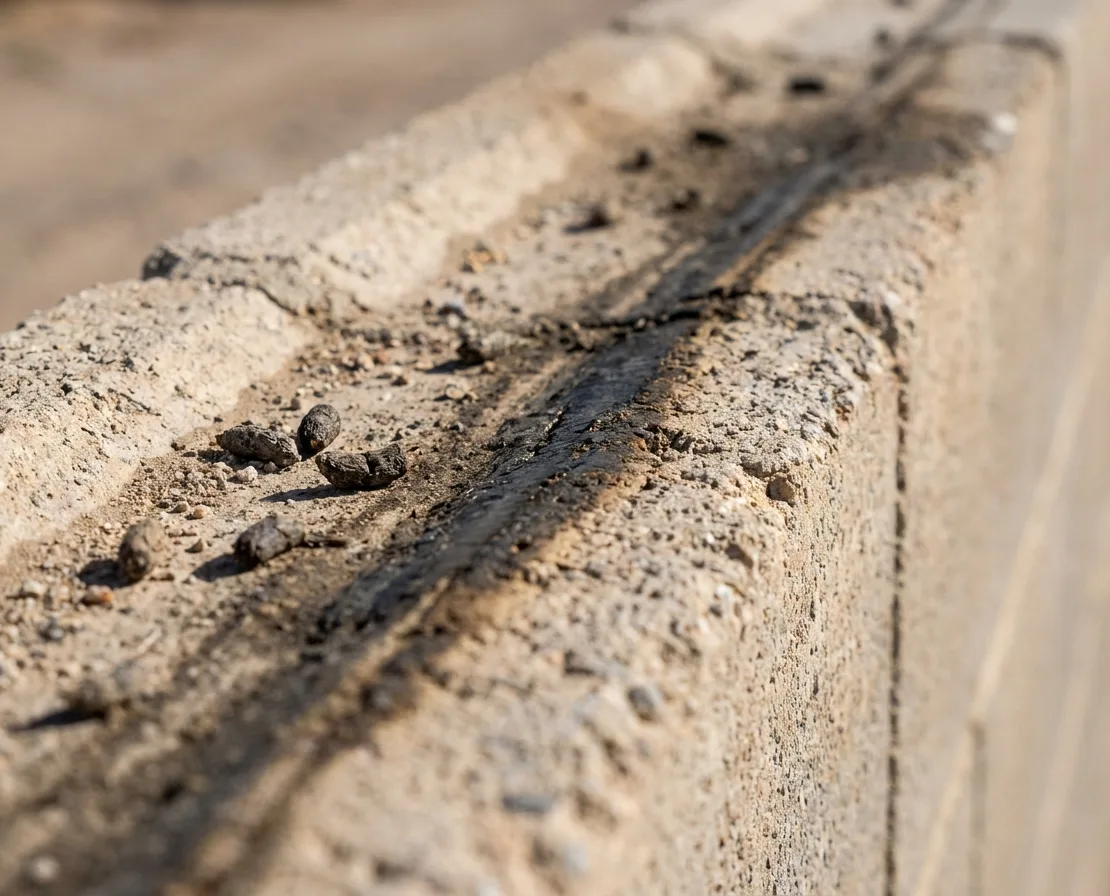
Almost every property here is bounded by one, and rats travel along the top of them the way people use pavements — continuous, elevated, sheltered, and connecting one garden to the next for the length of a street. This is why rodent problems in Las Vegas are so often a neighbourhood matter that surfaces at whichever building happens to be open.
Construction, Constantly
Grading and demolition displace whatever was living on the ground, and those animals move to the nearest cover, which is the finished street next door. If a problem began the same month a nearby lot was cleared, that is almost certainly the reason, and the pressure generally eases once that phase moves on.
How Buildings Here Let Them In
Very little of this varies between one valley property and the next. What varies is how many of these a given building has left open:
- The bottom corners of a roller garage door, where the seal has lifted away from the concrete — probably the most-used rodent entrance in the valley
- The gap where a tiled roof meets the fascia board, which on many roofs runs open along its entire length
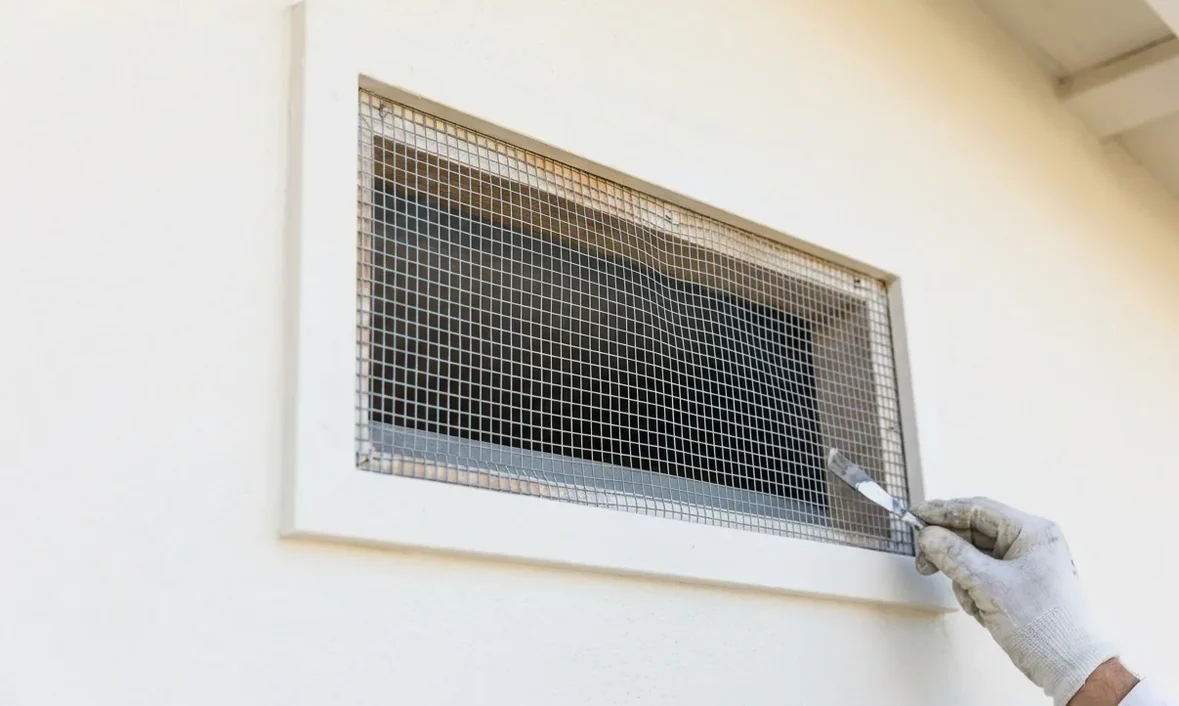
- Attic, gable and dryer vents whose screening has gone brittle in the sun and broken
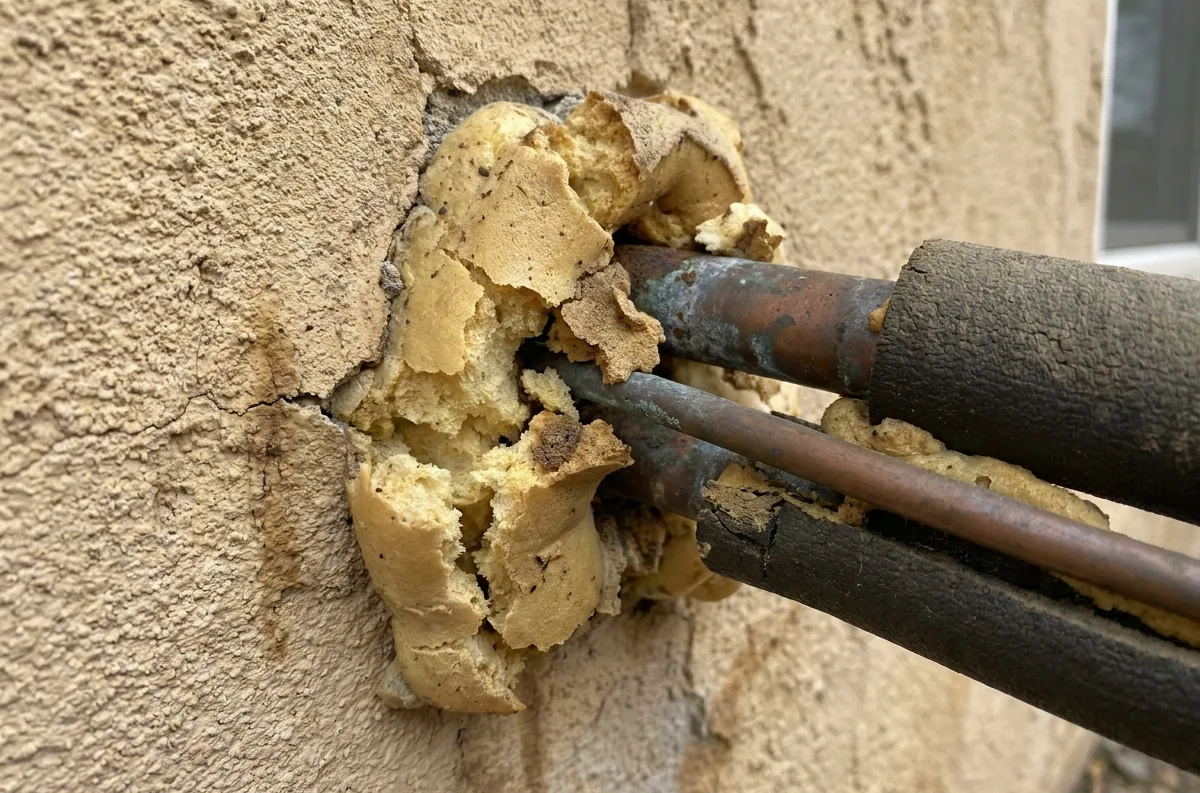
- The wall penetration where the air-conditioning line set enters, sealed once with foam that has since perished
- The weep screed at the base of the stucco, particularly where landscaping gravel has been built up against it
- Plumbing and utility penetrations under sinks, behind washing machines and at the water heater
None of them look like a way into a house until you are underneath with a torch. And a new house is not exempt: modern construction is sealed against weather rather than against rodents, and the difference between those two standards is about a quarter of an inch.
How We Work
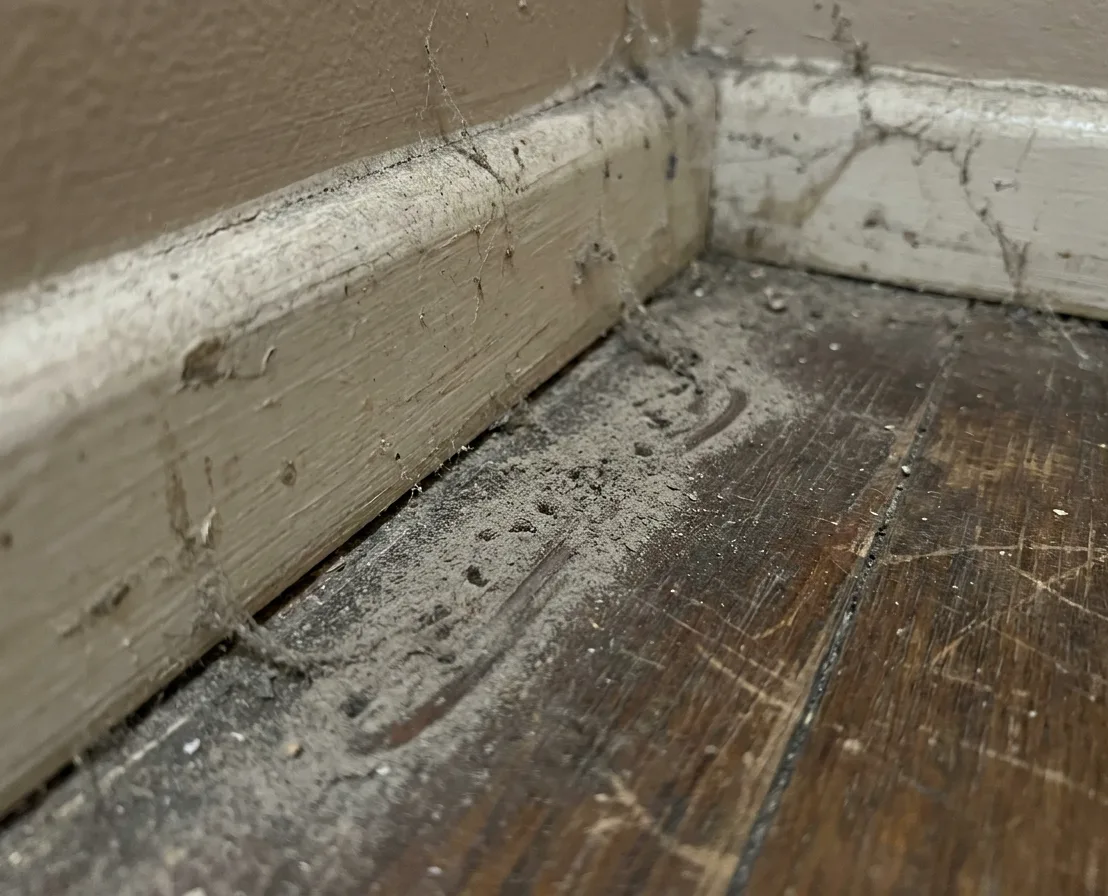
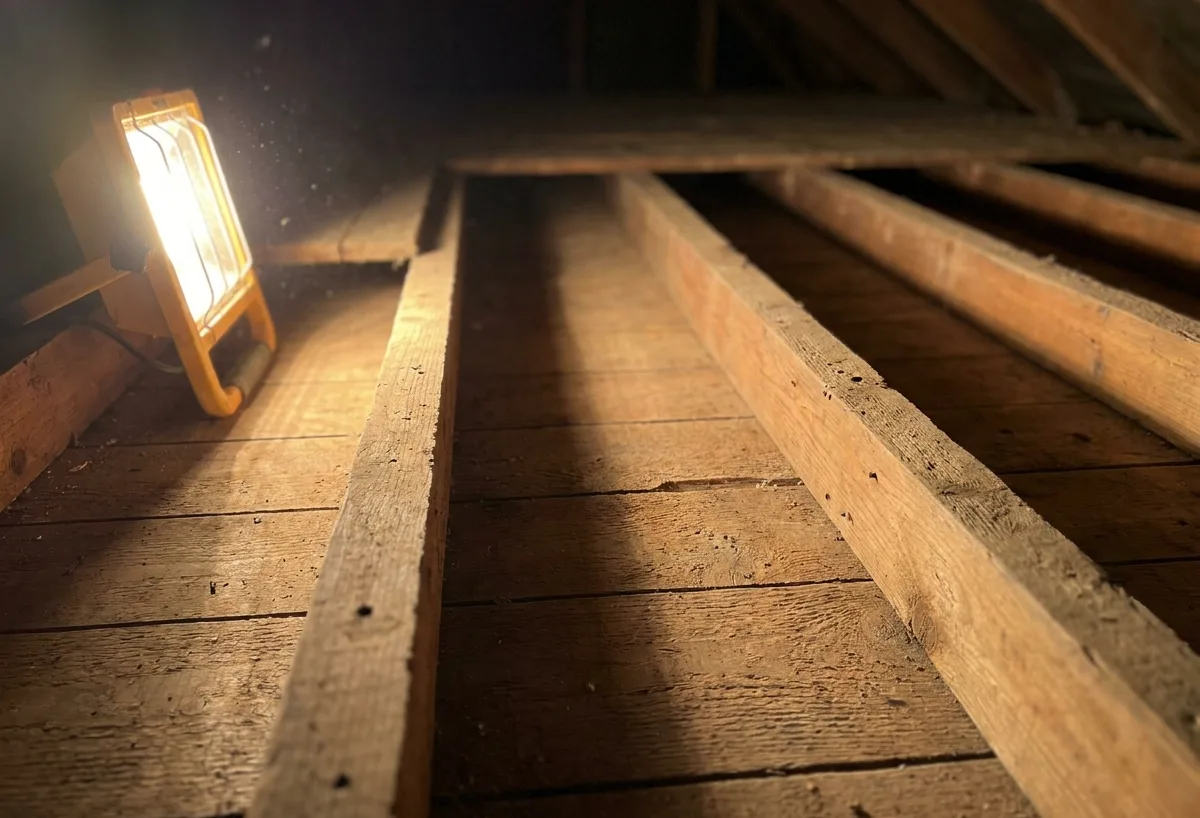
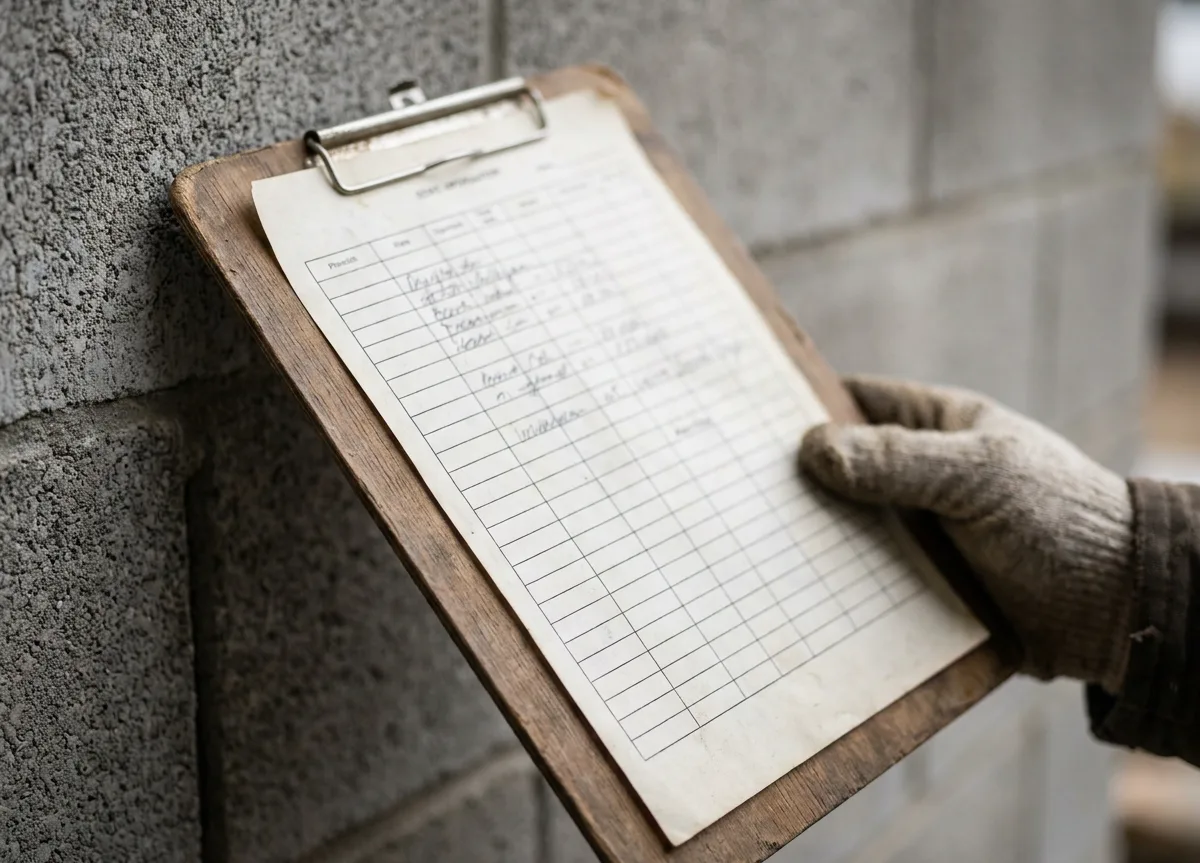
Inspect first. The roof void gets entered and walked rather than looked into, and the roofline, garage, crawl space and exterior all get covered. What we are reading is the pattern the animals have left — droppings, greasy rub marks where fur has passed the same edge repeatedly, gnawing, and runs flattened through insulation. That pattern is a map of where they travel, and traps go on it.
Trap, then seal, in that order and never the reverse. Sealing a building with an active population inside traps animals in the walls and roof void where they die, and in a Las Vegas summer that becomes a severe odour and fly problem within days, remedied only by opening the structure up again to find them.
Seal in metal. Galvanised steel mesh, hardware cloth and metal flashing, with steel wool packed into small penetrations. Expanding foam is the most common thing we find where somebody has already tried, and it does not work — cured foam is soft, and a rodent that used an opening before will simply chew it back open.
Then clean up, because contamination does not leave with the animals, and deal with the grounds, because a sealed building beside an untrimmed palm and a fruit tree dropping windfall is a job half done.
Where We Stand on Poison
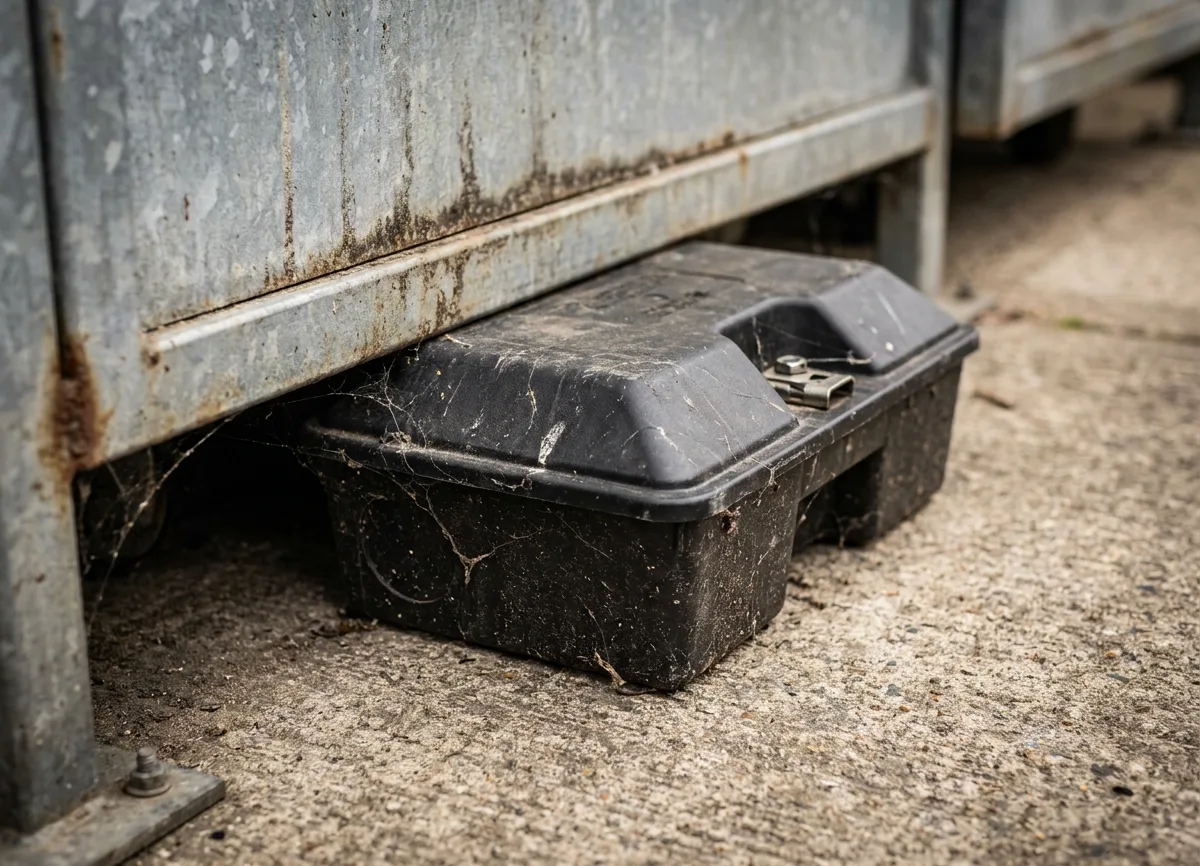
We use rodenticide sparingly, in locked exterior stations, on properties under genuine outside pressure — and we will tell you when it is the wrong tool, which on a typical house is most of the time.
The reasoning is practical. Bait does not kill at the station; the animal dies a day or more later wherever it happens to be, which for a roof rat or a mouse means inside a wall or a roof void. It also puts poison where pets and children can reach it, and it passes up the chain into the barn owls, great horned owls, red-tailed hawks and coyotes that hunt these same rats across the valley continuously and for nothing. Poisoning out the predators makes a property more dependent on paid intervention, not less.
The Mojave Year
Rodent advice written for a cold climate transfers badly here, and following it means acting at the wrong times.
Late winter into spring is when breeding picks up and a small tolerated population becomes a noticeable one. Summer drives rodents towards buildings rather than away, because a conditioned interior offers the water and cool that the outside does not — July is an active month indoors, which surprises people. Autumn brings the heaviest pressure of the year, as populations that grew through the warm months meet declining outdoor food and start looking for shelter; if a building has a weakness, this is when it gets found. Winter is steadier, and it is the best time of year for exclusion and attic work because the conditions up there are actually workable.
What We Will Tell You Straight
If the pressure on your property comes from something we cannot fix — a neighbouring lot full of rubbish, an unmaintained shared bin store, a boundary of untrimmed palms that is not yours — you will hear that from us. Sealing still works and is still worth doing, but we would rather set the expectation than take the money and let you discover it.
And where a job is small, we will say so. A single rat that came in through one obvious vent is not a monthly contract, and quoting it as one would be dishonest.

📍 On the map
Our Proven Pest Control Process
Systematic treatment approach for complete elimination and prevention
Our thorough pest management system addresses current infestations while implementing protective measures that keep your Las Vegas property pest-free year-round in the desert environment.