
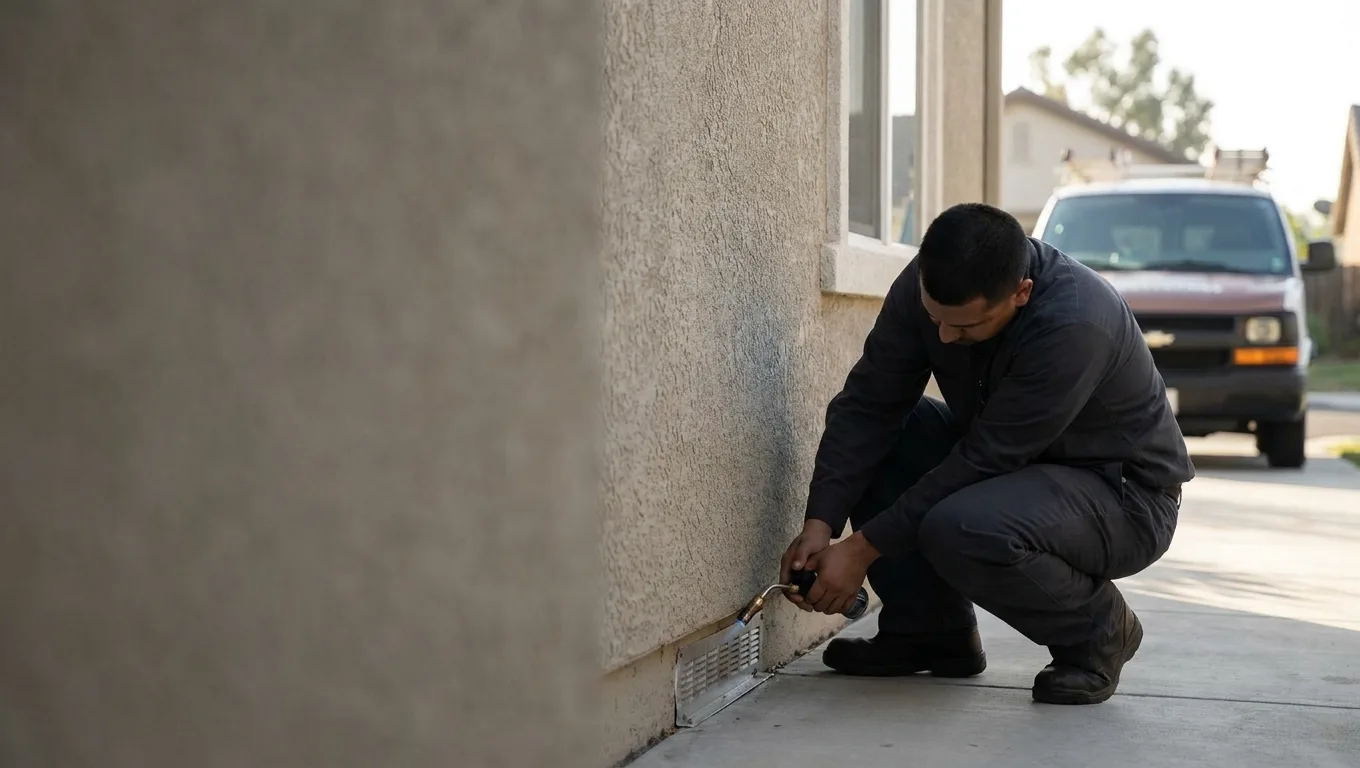
Year-Round Rodent Service in Las Vegas, NV
Scheduled monitoring and maintenance for properties under continuing pressure, on a plan that gets reviewed honestly
- Rodent control
- Straightforward pricing
- Local technicians
Get a price for your property
- Fast, courteous service
- Clear, upfront pricing
A Las Vegas technician is on the line now.





For Properties That Need It
Desert edge, construction, commercial sites. We will tell you plainly if your house is not one of them.
Monitoring, Not Just Visiting
Each visit reads the building and the perimeter. What changed matters more than what was applied.
Reviewed, Not Renewed
A plan that is no longer earning its place gets stopped. We would rather say so than bill quietly.
Year-Round Rodent Service in Las Vegas
Most houses do not need this, and that is the right place to start. A property that has been cleared and sealed properly generally needs nothing recurring, and a monthly visit afterwards is selling reassurance rather than doing work. We would rather do one thorough job than twelve unnecessary visits, and we will say so on the phone.
What follows is about the properties where scheduled work genuinely earns its place, and about what it should consist of if you are paying for it.
The Question That Decides It
Where is the pressure coming from?
If the source was your building — an open fascia line, an unscreened vent, a nest already established in the roof void — then removal and exclusion end the matter. The problem was internal and it has been fixed. Recurring service adds nothing.
If the source is outside and keeps renewing itself regardless of what you do to the building, then a sealed property is holding a line rather than solving a problem, and lines need checking. That is the case where scheduled work pays for itself.
Properties Where It Usually Does
- Homes backing onto open desert, where the surrounding ground produces animals season after season
- Streets beside active grading or construction, where each phase displaces whatever was living on the cleared lot
- Commercial sites with bin stores, grease traps, deliveries and doors that cannot stay shut during trade
- Multi-unit and shared buildings, where a neighbour's problem travels through party walls and service voids
- Properties with mature fruiting trees, particularly citrus and date palms, that produce a seasonal spike every year
- Large or complex sites where knowing which side the pressure is coming from is itself useful
The Mojave Calendar
Rodent advice written for a cold climate does not transfer here, and following it produces work at the wrong times of year.
Late Winter and Spring
Breeding picks up. This is when a small population that has been tolerated over the winter becomes a noticeable one, and it is the point at which people who have been ignoring occasional noise start ringing. Catching it here is much cheaper than catching it in autumn.
Summer
The important thing to understand about a Las Vegas summer is that it drives rodents towards buildings rather than away from them. Outside there is no water and no shade; inside there is condensation, irrigation, cool air and shelter. July is an active month for indoor rodent work, which surprises people who expect a quiet season. Activity concentrates around water — laundries, kitchens, condensate lines, anywhere with a slow leak.
Autumn
The heaviest pressure of the year. Populations that grew through the warm months are at their largest, outdoor food is declining, and every one of those animals is looking for somewhere. If a building has a weakness, this is when it gets found. Most reinfestations of properties that were sealed imperfectly show up now.
Winter
Steadier, with populations concentrated wherever they found shelter. It is the best time of year for exclusion and cleanup work, because attic conditions are workable and the pressure is not actively rising while you do it.
Fruiting
Overlaid on all of it, a property with citrus, figs, olives, dates or pomegranates gets its own spike when the fruit comes in. This is a property-level pattern rather than a seasonal one and it is worth planning around.
What a Visit Should Consist Of
If a service visit is a bait round and nothing else, you are paying for very little. Stations are one component and frequently not the most useful one.
Each visit reads the perimeter and any stations, and — more importantly — inspects the exclusion work. Buildings change. A new penetration gets cut for a mini-split or a water softener and left unsealed. A roofer lifts tiles and does not reseat them. Landscaping gets built up against a weep screed. A garage door seal perishes, which it will. Finding one of those before something uses it is the single most valuable thing a scheduled visit does.
Then the previously active areas get checked for fresh evidence, anything found is dealt with on that visit rather than noted for later, and the record is updated.
Reading the Trend
The value is in the sequence, not the individual visit. One inspection tells you the state of a building on one day. Six tell you a direction.
Take-up concentrated on one side of a perimeter is a map of where animals are coming from, and it will often correspond to something identifiable — a neighbouring lot, a wash, a construction site. A perimeter that goes quiet in the cycles after exclusion work is evidence the sealing did its job. A perimeter that stays busy on one flank after sealing says the pressure is real and continuing, which is precisely the case in which the service is justified.
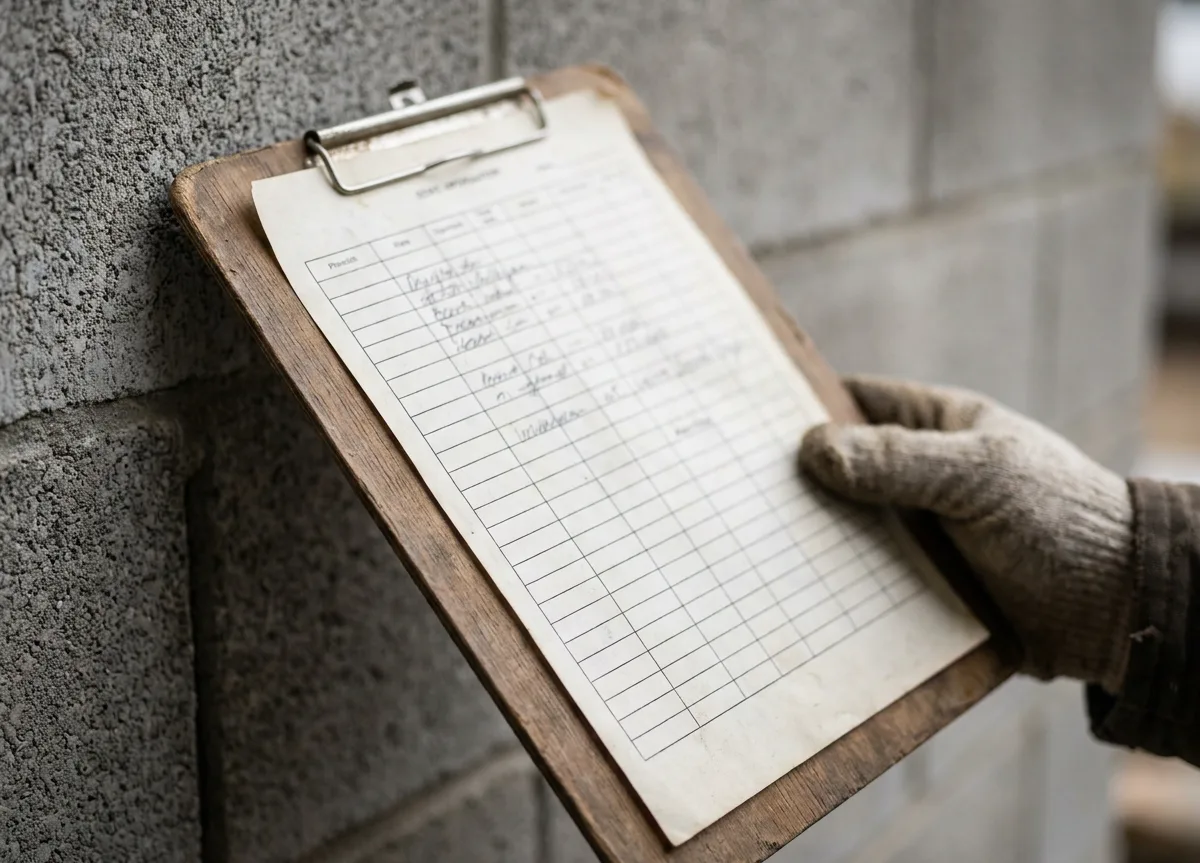
That is why the record is kept properly rather than filed. A company that cannot tell you how activity at your property has changed over six months is not monitoring anything.
Commercial and Multi-Unit
This is where scheduled work makes the most sense, for reasons that have little to do with the rodents themselves.
Doors that must stand open for trade cannot be sealed, so the boundary has to be managed rather than closed. Suspended ceilings and service voids run the length of a building and past party walls, so one unit's problem becomes several units' problem and the question of responsibility gets complicated. And inspection regimes require documentation that only a consistent record produces — not a certificate, but a legible history of what was placed where, what activity was seen, and what was done about it. Rodent Control Las Vegas reviews a plan rather than renewing it, and will say when it is no longer earning its place.
We schedule around trading hours rather than treating that as an inconvenience, and the documentation is kept in a form an inspector will accept rather than assembled afterwards when someone asks.
Reviewing, and Stopping
Plans get reviewed rather than renewed by default. If a property has been quiet across consecutive cycles, the exclusion is holding, and the outside pressure has genuinely eased — construction finished, a neighbouring problem resolved, a tree dealt with — then the right recommendation is to stop.
Often the sensible middle course is to leave non-toxic monitoring in place so that a change would be noticed, and to stop the visits. That costs almost nothing and preserves the early warning.
There is no long tie-in on any of this. Plans run visit to visit and stop when you say so. We would rather keep work because it is demonstrably worth having than because cancelling it is awkward, and a conversation about stopping is much easier to have than a conversation about a year of invoices with nothing to point at.
★ FAQ
Frequently Asked Questions
Probably not, and that is the honest starting point. A typical valley house that has been trapped out and sealed properly usually needs nothing recurring. Ongoing service earns its place where the pressure renews itself independently of your building: a property backing onto open desert, a street beside active grading, a commercial site with bins and open doors, or a building whose neighbours keep producing animals. We would rather sell you one thorough job than twelve unnecessary visits.
The perimeter and any stations are checked and read, the exclusion work is inspected for anything new that has opened, and the areas that were active are checked for fresh droppings. Where there is take-up or new evidence we act on it that visit. The written record is updated so the picture over time is visible rather than each visit being a fresh start.
Less than people expect, and differently from a cold climate. There is no season here when rodents stop. Summer drives them towards buildings for water and cool rather than away, so July is an active month indoors. Autumn brings the heaviest pressure as outdoor food declines and populations that grew over the warm months look for somewhere. Winter is steadier, and late winter into spring is when breeding picks up and a small tolerated population becomes a noticeable one. Fruiting seasons on citrus and date palms produce local spikes at property level.
It should not be, and if that is all a service consists of you are paying for very little. Stations are one component and often not the most useful one. The value is in someone competent looking at your building on a schedule, catching a new roof penetration or a perished garage seal before something uses it, and reading the trend rather than the single visit.
There is no long tie-in. Plans run visit to visit and can be stopped whenever you like. We would rather keep the work because it is worth having than because ending it is awkward.
Yes, and we do. If a property has been quiet across consecutive cycles, the exclusion is holding and the surrounding pressure has eased -- construction finished, a neighbouring problem resolved -- the right advice is to stop, possibly leaving non-toxic monitoring so a change would be noticed. That conversation is considerably easier than explaining a year of invoices with nothing to show.
Yes, and they are where scheduled work makes most sense. Shared voids and party walls mean one unit's problem travels, doors that stand open for trade cannot be sealed, and inspection regimes need documentation that only a consistent record produces. We schedule around trading hours rather than treating that as a complication.
📍 On the map
How Scheduled Rodent Work Runs
Baseline the property, then read the trend rather than the visit
Before the first cycle the building is surveyed, the exclusion recorded and monitoring positioned, so there is something to compare against. Each visit reads the perimeter and the stations, inspects the sealing for anything newly opened, and checks the previously active areas for fresh evidence. What matters is the change between visits, which is why the record is kept properly and reviewed rather than filed.