
Rodent Control in Enterprise, Las Vegas, NV
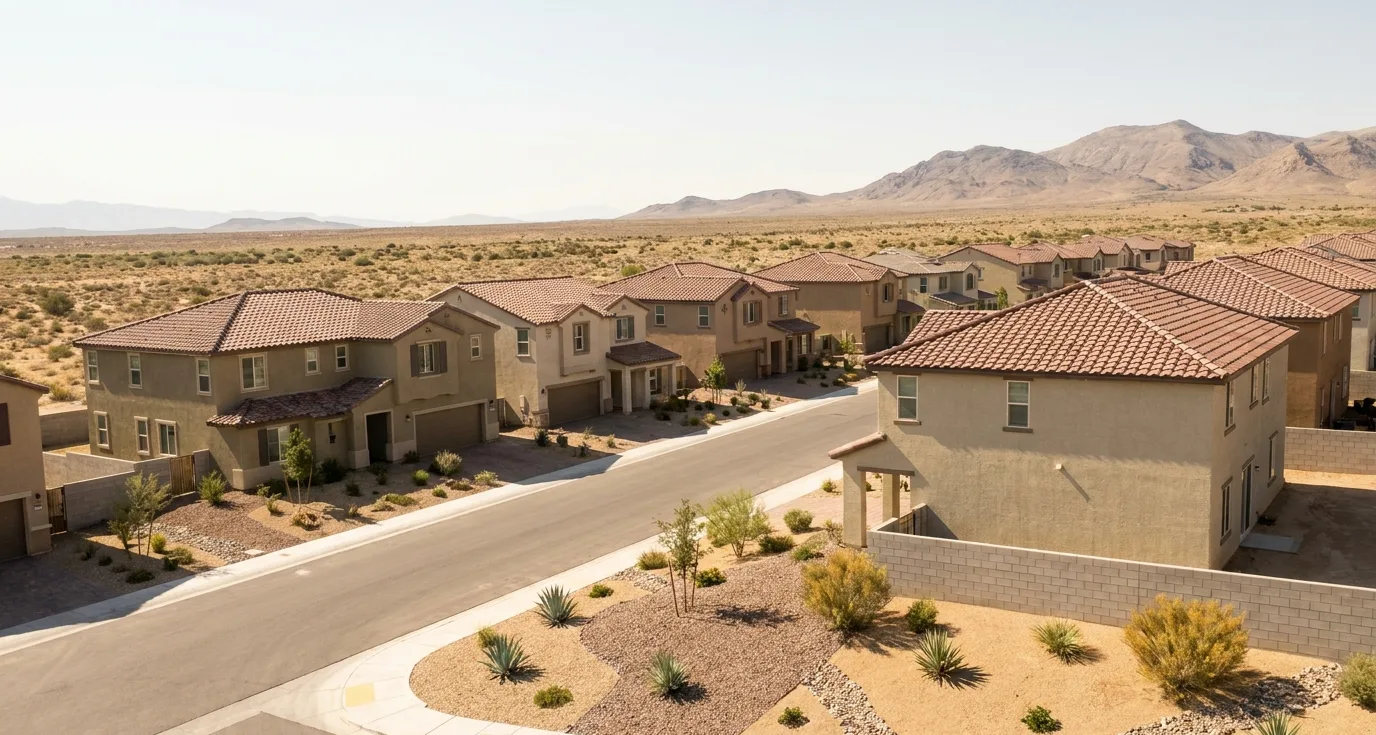
Rodent control for Enterprise, where new construction on open desert keeps pushing animals towards finished streets
- Rodent control
- Straightforward pricing
- Local technicians
Get a price for your property
- Fast, courteous service
- Clear, upfront pricing
A Las Vegas technician is on the line now.





Displacement, Not Defect
A brand-new house with rodents is almost always a grading problem next door, not something wrong with your building.
New Builds Have Gaps Too
New construction is not sealed construction. Line sets, weep screed and garage corners are open on plenty of them.
Pressure That Eases
Once the phase beside you is finished the pressure usually drops. We will tell you when waiting is part of the answer.
Rodent Control Across Enterprise
Enterprise produces a particular call more than anywhere else we work: a house only a few years old, an owner who has done everything right, and a rodent population that turned up seemingly out of nowhere. It is worth explaining properly, because the explanation changes what the sensible response is.
Building on Desert, and What It Displaces
Before a subdivision is a subdivision it is desert, and that ground holds a rodent population along with everything that feeds on it. Grading removes the cover in a single operation. The animals do not disappear — they move to the nearest shelter, which is the finished street next door.
This is why the timing is usually so obvious once somebody points it out. A problem that started the same month a nearby lot was cleared is displacement, not a defect in your house, and it says nothing about how the property is kept. It also means the pressure has a natural end: once that phase of construction finishes and the ground settles, the wave passes.
What does not pass on its own is anything that has already got inside. A population established in a roof void has shelter, usually water, and no reason to leave because the lot next door went quiet.
New Construction Is Not Sealed Construction
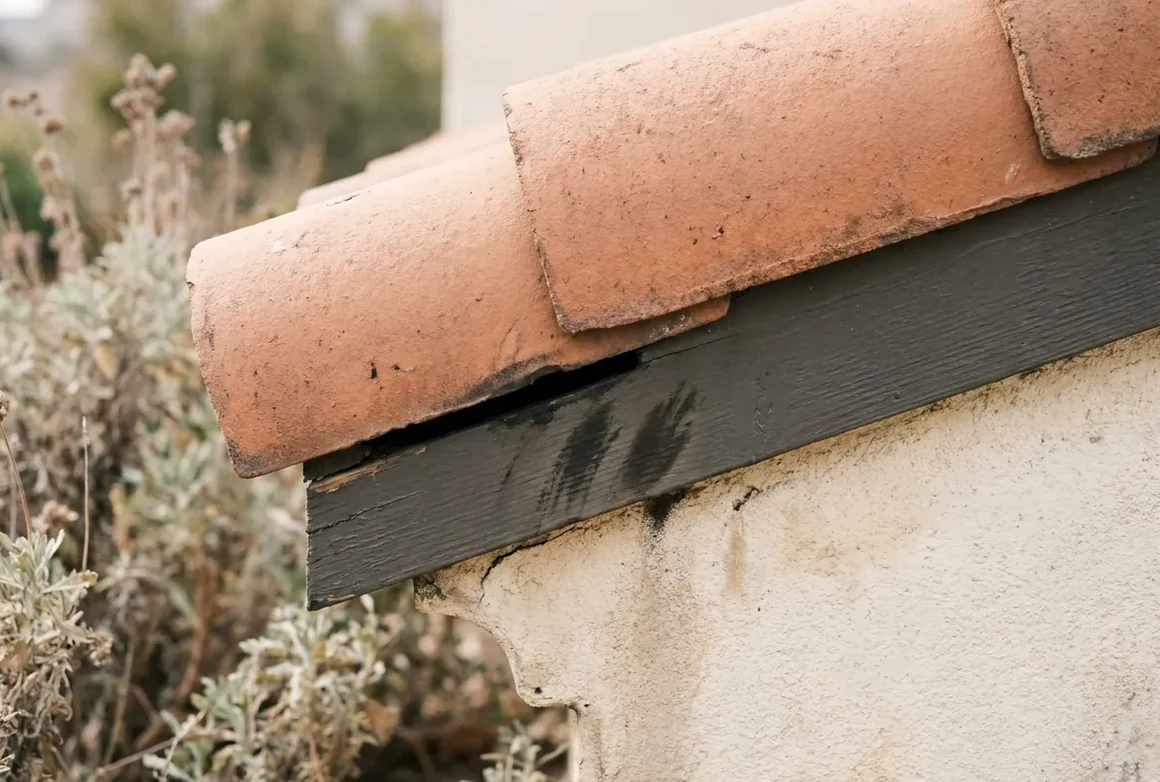
The assumption that a new house is tight is the other half of the surprise, and it is wrong in a specific way. Modern construction is sealed against weather. Sealing against rodents is a different standard, and the gap between them is roughly a quarter of an inch.
The Line Set Penetration
Where the air-conditioning refrigerant lines enter the wall there is a hole, and on most houses it was sealed once at installation with expanding foam. Foam is soft, it perishes in this sun, and a rodent chews through it without much effort. On a house a few years old it is frequently already open.
The Garage Door Corners
The two bottom corners of a roller door, where the seal meets the concrete, are the most-used rodent entrance in the valley and they are no better on new houses than old ones. The gap is small, at ground level and in shadow, and almost nobody looks at it.
Landscaping Over the Weep Screed
The metal edge at the base of a stucco wall is there to let moisture out, which means it leaves a deliberate gap. Landscaping installed after handover routinely buries it under gravel or raised soil, which turns a drainage detail into a sheltered ground-level doorway — and stops it doing the job it was there for.
Vent Screening
Screening adequate for insects is not adequate for a mouse. Attic, gable and dryer vents on new houses are frequently fine against wasps and useless against a rodent that needs a quarter of an inch.
New Block Walls and New Irrigation
Two things arrive with a new subdivision that both help rodents. Block walls give continuous, sheltered, elevated travel connecting every garden along a street, which is why a population here is shared rather than belonging to one address. And new irrigation supplies reliable water in a place that otherwise has none — a leaking drip line is worth defending, and rodents defend it.
Neither is a reason to change anything about a property. They are reasons the population outside a building is larger than the surrounding desert alone would support, which puts more weight on how well the building is closed.
What Enterprise Calls Usually Turn Out to Be
Noise in a Two-Year-Old House
Almost always roof rats that came in at the line set penetration or an attic vent. The house is fine; four openings need closing.
Droppings in a Garage
Usually the door corners, and usually recent. Found at this stage it is a short job, because the population has not yet moved into the wall cavities and the roof void.
Chewed Drip Line
Soft, easy to open and full of water. Repeated failures in one area of a garden, or an unexplained damp patch in gravel, are often the first thing anybody notices.
It Started When They Cleared the Lot
The most common story we take here, and the most straightforward to explain. Displacement from grading, a building that was never sealed to rodent standard, and a pressure wave that will pass on its own once construction moves on.
What Is Worth Doing While the Building Work Continues
The grounds matter more here than in an established neighbourhood, because the pressure is arriving continuously rather than sitting in the landscaping. Bins closed and off the ground. Pet food indoors and in hard containers rather than a paper sack in a garage. Fallen fruit cleared. Drip-line leaks fixed promptly. Gravel and soil kept off the weep screed.
And not bait, particularly indoors. It kills the animal wherever it happens to be a day or two later, which for a roof rat means inside a wall or a roof void, and in a Las Vegas summer that is a considerably worse problem than the one you started with. Rodent Control Las Vegas will tell you plainly which part of the problem is yours to fix and which will pass on its own.
Working With Us in Enterprise
We go over a new house the way we would a fifty-year-old one, because the openings are predictable and the assumption that new means sealed is what lets them stay open. Anything already inside is trapped out first and confirmed finished before anything is closed, so nothing is sealed in alive. The four common openings are then closed in steel mesh and metal flashing and photographed both ways.
Where the pressure is coming from active grading, we will say so and be clear that it will ease on its own timetable rather than ours. Sealing your building is still the right thing to do and it is the part that actually decides whether they get in.
★ FAQ
Frequently Asked Questions
Because the lot behind you was probably cleared recently. Grading removes the cover that was holding a rodent population, and those animals do not disappear -- they move to the nearest shelter, which is the finished street. It is one of the most predictable patterns in this part of the valley, and it says nothing bad about your house.
The pressure usually eases substantially, yes. What it does not do is remove a population that has already got into your roof void and settled. Those animals have shelter, and often water and food, and they have no reason to leave because the lot next door got quieter. So the answer is generally both: close the building now, and expect the external pressure to fall away later.
Not to the standard rodents require. New construction is weather-sealed rather than rodent-sealed, and the openings we find on two-year-old houses are consistent: the penetration where the air-conditioning line set enters the wall, sealed once with foam; the bottom corners of the roller garage door; weep screed with landscaping gravel built up against it; and vents whose screening is adequate for insects and not for a mouse.
Keep the food and water down. Bins closed and off the ground, pet food indoors and in hard containers, fallen fruit cleared, and drip-line leaks fixed promptly -- water is worth more to a rodent here than almost anywhere. Keep gravel and soil off the weep screed. And do not put bait down, particularly indoors: it kills the animal wherever it happens to be, which is usually inside a wall.
📍 On the map
How We Handle Rodents in Enterprise
Seal the new building properly, then wait out the grading
We go over the envelope of a new house the way we would an old one, because weather-sealed is not rodent-sealed and the gaps are predictable: line set, garage corners, weep screed, vent screening. Anything already inside is trapped out first. Then it is a matter of keeping the grounds unattractive while the construction beside you moves on, and we will be straight about which part of the problem is yours to fix.