
Rodent Control in Spring Valley, Las Vegas, NV
Roof rat and mouse control for Spring Valley's established tract housing and its mature, well-irrigated landscaping
- Rodent control
- Straightforward pricing
- Local technicians
Get a price for your property
- Fast, courteous service
- Clear, upfront pricing
A Las Vegas technician is on the line now.





Mature Landscaping, Mature Problem
Thirty years of growth puts branches on rooflines and gives roof rats everything they need. The fix is largely outdoors.
Block Walls Are Roads
Rats travel wall tops the way we use pavements, which is why this is usually a street problem rather than a house problem.
Fruit Trees Hold Populations
Citrus, figs and dates support rats all season. The tree can stay; the windfall and the overhang cannot.
Rodent Control Across Spring Valley
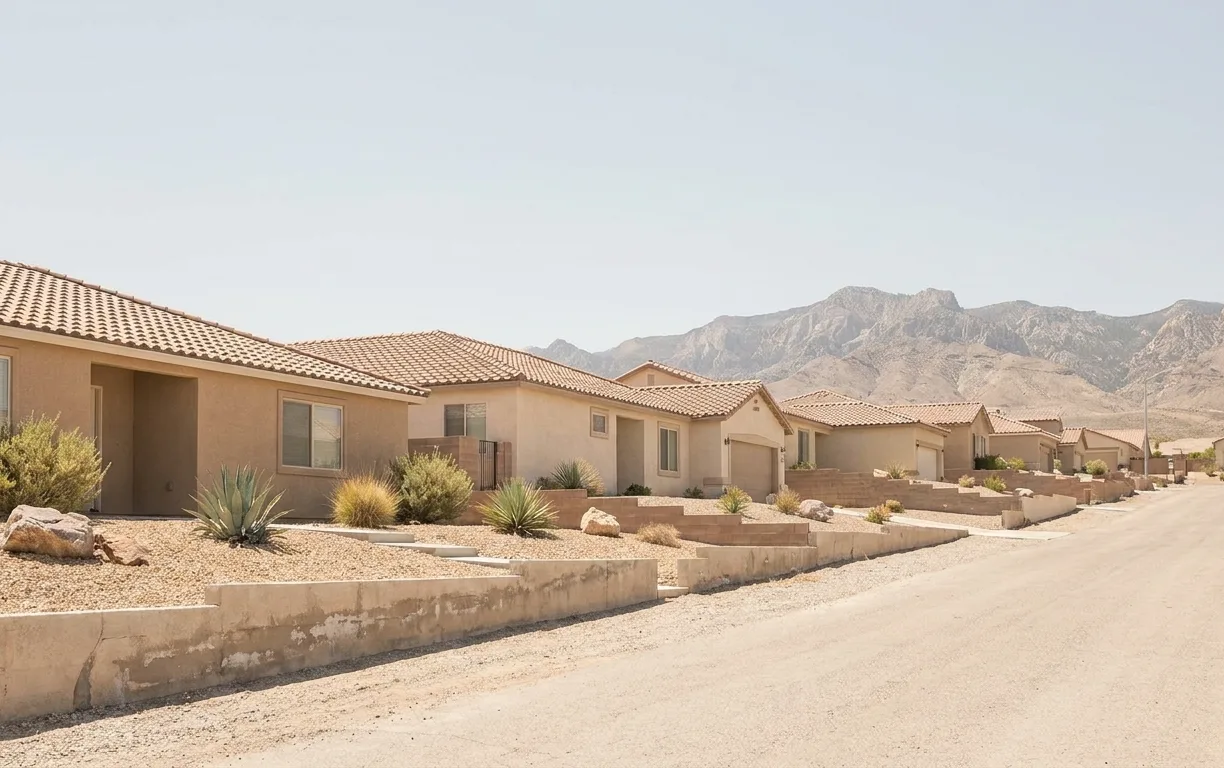
Spring Valley's tract housing has had thirty years for its landscaping to mature, and that single fact accounts for most of the rodent work here. The construction is sound and the streets are well kept. What has changed is everything growing around the buildings.
Established Tract Housing
The housing stock is consistent, which makes the work predictable. The openings recur from property to property: the gap where a tiled roof meets the fascia board, attic and gable vents whose screening has gone brittle, the air-conditioning line set penetration sealed once with foam, the bottom corners of a roller garage door, and the weep screed at the base of the stucco. Rodent Control Las Vegas reads the wall tops first, because they usually say where a population is coming from.
Once we have inspected a few houses on a street we know where to look on the rest, which makes an inspection quicker and an exclusion quote more reliable.
Buried Weep Screed
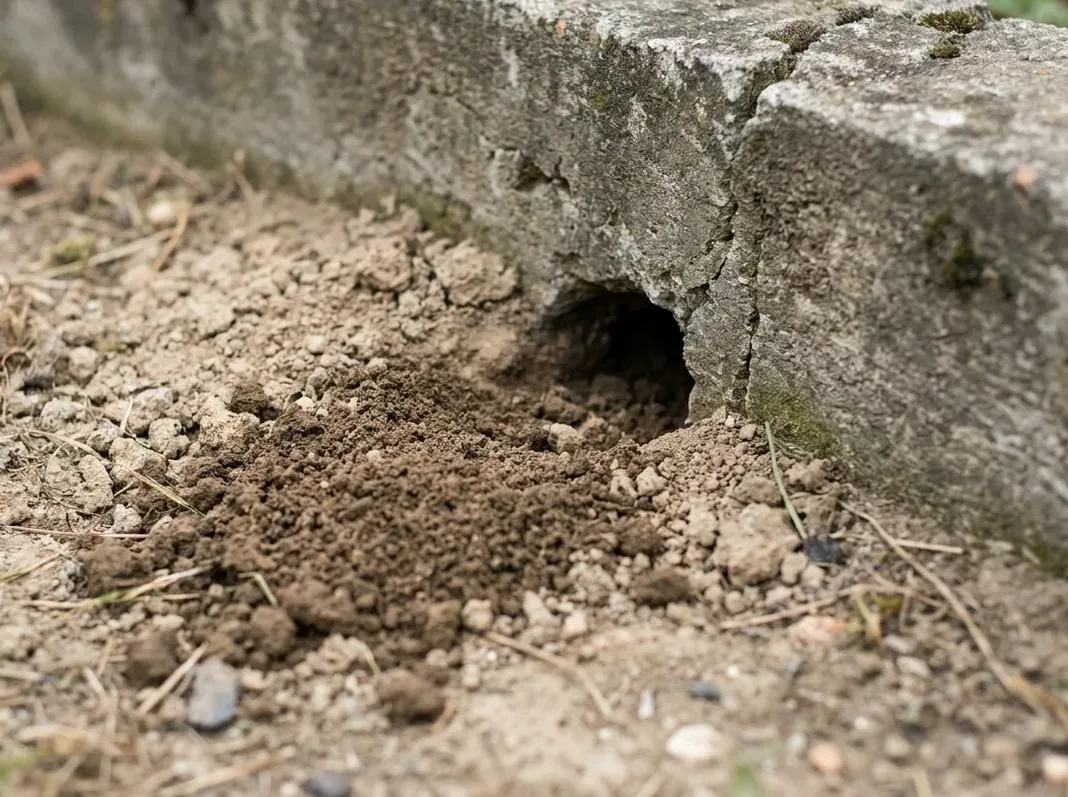
Worth singling out, because it is so common here and so easily missed. The metal edge at the bottom of a stucco wall is a drainage detail and it leaves a deliberate gap. Decades of landscaping changes have buried it under gravel and raised soil on a great many properties, which turns it into a sheltered ground-level entrance and simultaneously stops it draining. Clearing it back is straightforward and it fixes two problems at once.
Ageing Irrigation
Drip line perishes, fittings work loose, and a leak in a gravel bed can run for a long time before anyone notices. In a desert that is a reliable water source, and reliable water is what allows a rodent population to sit at a size the surrounding ground would not otherwise support. Repeated failures in the same area of a garden are often rodent damage rather than age — the line is soft, easy to open, and carries exactly what they want.
Mature Landscaping and the Roof
Thirty years of growth puts branches on rooflines. Once an animal is on a tile roof, the fascia gap does the rest, and on much of this housing stock that gap runs open along the whole length of the roof.
Palms deserve particular attention. An untrimmed palm keeps a thick skirt of dead fronds beneath the crown — dry, sheltered, hidden from owls and hawks, and on many properties within reach of the roof. It is a nest site and a bridge in one structure. Trimming the skirt out and cutting fronds clear of the tiles is frequently the single most effective thing done on a Spring Valley job, and it costs an afternoon.
Fruit trees hold populations through their season. The tree does not need to go; the windfall and the overhang do.
Block Walls and Why This Is a Street Problem
Almost every property here is bounded by block wall, and rats travel along the tops of them the way people use pavements — continuous, elevated, sheltered, linking every garden along a street. A population lives across a dozen gardens and gets indoors at whichever building happens to be open.
This explains something that otherwise looks like bad luck: a neighbour has work done and a few weeks later you have rodents. Sealing their building did not remove the population, it removed one of the places that population could get into, and the animals moved along the wall to the next available opening.
It also gives us something useful. The rub marks and droppings left along a wall top show which direction the pressure is coming from before we have opened anything.
Apartments and Condominiums
Spring Valley has a substantial amount of multi-unit housing, and in a shared building the rodent population is a building population. Voids above suspended ceilings and riser runs carry animals between units, so the flat that reports the problem is rarely where it started.
Closing the openings inside a single unit helps and is worth doing. It does not resolve a building-wide population, and we would rather say that than take the money implying otherwise. What we can do is document the findings in a form that can be handed to a managing agent, because getting the building addressed is somebody else's decision and evidence is what moves it.
What Spring Valley Calls Usually Turn Out to Be
Scratching Overhead After Dark
Roof rats, almost invariably, and almost invariably in through the fascia line or a perished vent screen. Traps set downstairs will catch nothing, which is why so many people conclude they imagined it.
Repeated Irrigation Failures
Gnawed drip line rather than age, particularly where the failures cluster in one part of a garden.
Droppings in a Garage
Usually the door corners. Found at that stage the entry is close by and the job is short.
A Neighbour Had Work Done
Not coincidence. The population moved along the wall tops to the next open building, which is the best argument there is for having your own envelope looked at rather than waiting to see.
Working With Us in Spring Valley
We read the wall tops first, because they usually tell us where this is coming from. Then the roof void and roofline, where the animals actually are. Trapping goes on the runs, the fascia gap and vents are closed in steel mesh and metal flashing, and the contamination is cleared rather than left. The last part of the job is outdoors, on the palms, the branches and the fallen fruit that made your roof worth reaching in the first place.
★ FAQ
Frequently Asked Questions
Because of the block walls. Almost every property here is bounded by one, and rats travel along the top of them -- a continuous, elevated, sheltered route connecting one garden to the next for the length of a street. A population can live across a dozen gardens and get indoors at whichever building happens to be open. It also gives us something useful: rub marks along a wall top tell us which direction the pressure is coming from before we set anything.
No, and we would rather you did not have to. What sustains a population is fruit left to fall and lie, not the tree itself. Picking promptly, clearing windfall and cutting branches back clear of the roofline removes the food and the access while leaving you the tree. The same goes for date palms, where it is the skirt of dead fronds under the crown that matters most.
That is expected if you have roof rats, and it is the most common thing we hear. Roof rats live above the ceiling and run a fixed circuit between a nest and a food source, usually along a wall top or a beam. They have very little reason to come down to a kitchen floor. Traps have to go on the run itself, which usually means working in the roof void.
Trapping normally clears the active animals in one to three weeks depending on how established they are. The exclusion is usually a single day once the inspection has told us what needs closing. If the insulation is contaminated enough to need replacing, that is a separate day and we will quote it once you have seen the photographs.
📍 On the map
How We Handle Rodents in Spring Valley
Read the wall tops, work the roofline, then deal with the garden
The rub marks along a block wall usually tell us where the population is coming from before we open anything. From there it is the roof and the attic: find the runs, trap on them, then close the fascia gaps, vents and line-set penetrations in steel and metal. The last part is outdoors, on the palm skirts, overhanging branches and fallen fruit that made the roof worth reaching in the first place.