
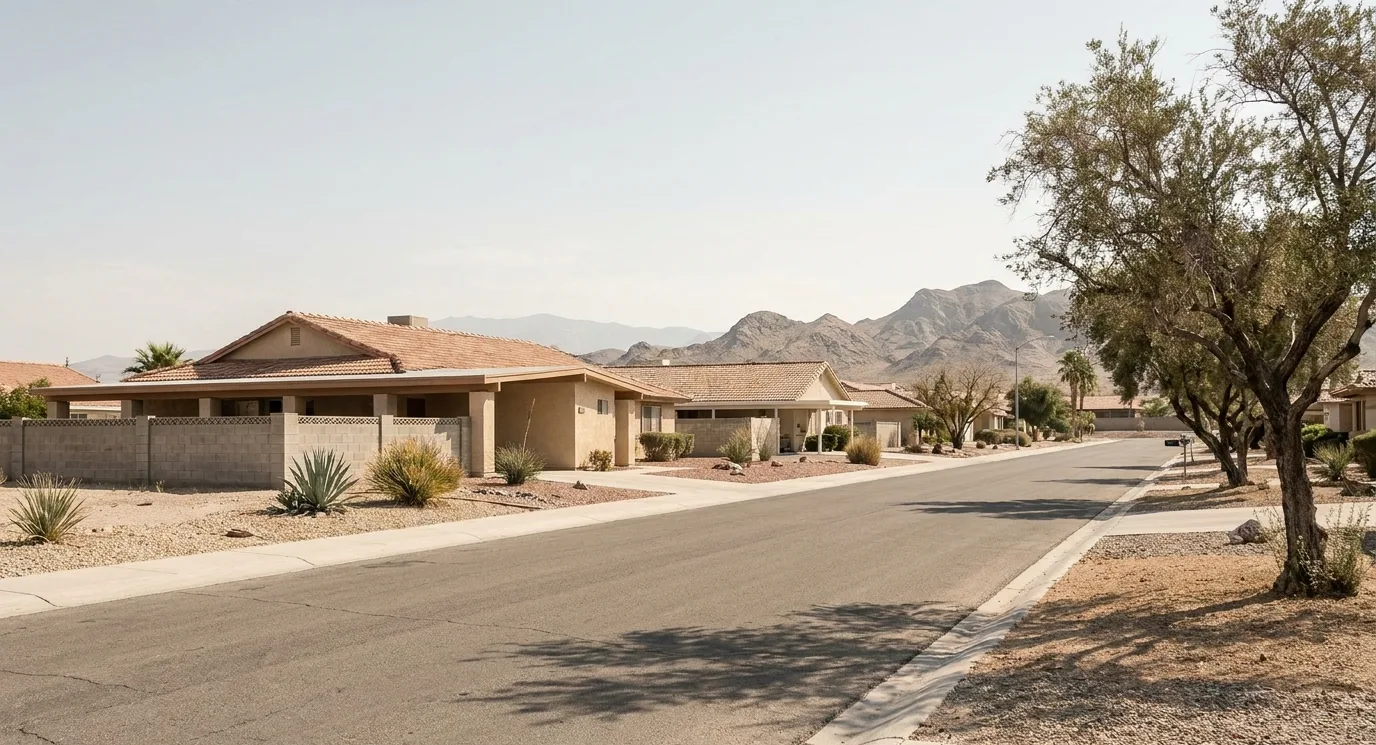
Rodent Control in Paradise, Las Vegas, NV
Rat and mouse control for Paradise homes, apartment buildings and the restaurants along the resort corridor
- Rodent control
- Straightforward pricing
- Local technicians
Get a price for your property
- Fast, courteous service
- Clear, upfront pricing
A Las Vegas technician is on the line now.





Shared Buildings, Shared Problem
In apartments and condos a neighbour's rodents travel the service voids. Sealing one unit rarely settles it.
Norway Rats Stay Low
The older drain and sewer network here suits the ground rat, which is trapped somewhere entirely different from a roof rat.
Food Service Documented
Restaurant work gets the findings recorded in the form an inspector will actually accept.
Rodent Control Across Paradise
Paradise has the densest mix of housing and food service in the valley, and both facts shape the rodent work here. Populations move between units rather than staying at the address that reports them, and the older drain infrastructure supports a rat that most of Las Vegas does not commonly see.
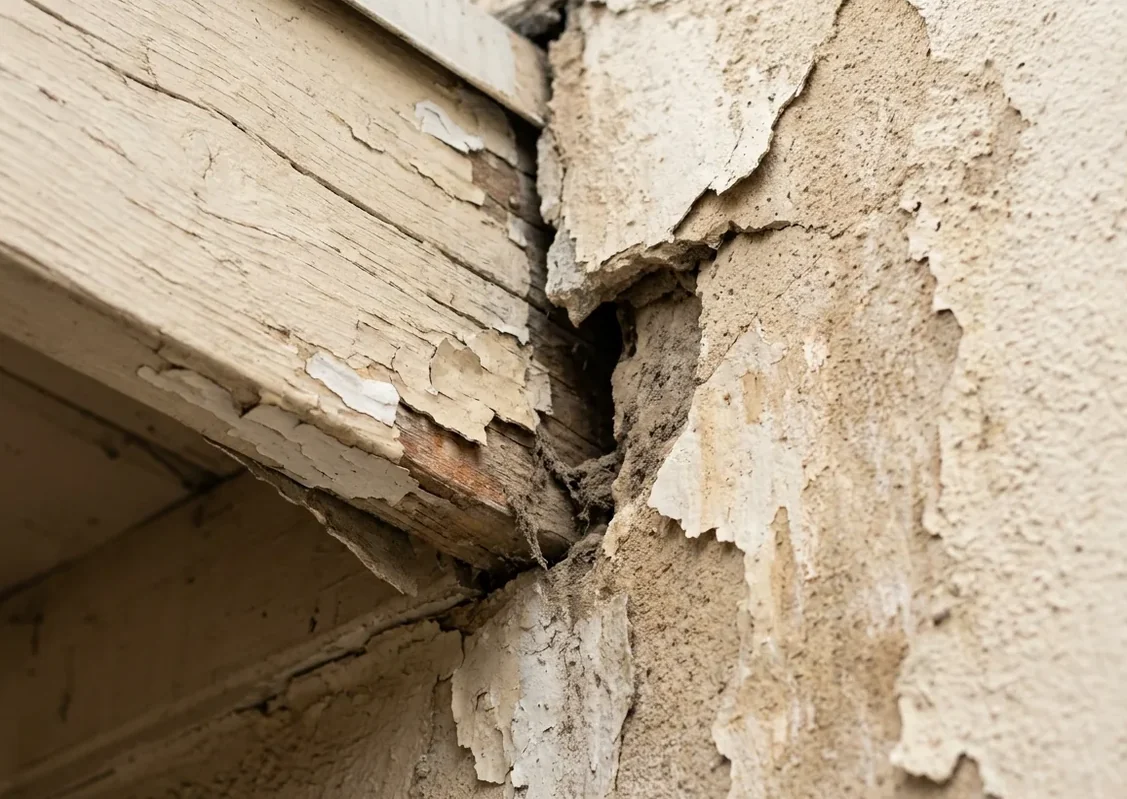
The Ground Rat, Not the Roof Rat
Across most of the valley the animal behind a residential call is the roof rat, which climbs and lives above you. Paradise produces proportionally more Norway rat work than anywhere else we cover.
The Norway rat is heavier, blunter-nosed and stays low. It uses sewers, storm drains, crawl spaces and the ground behind bin stores, and it exploits a drain network that in the older parts of this area has had decades to degrade. The distinction is not academic: a Norway rat is caught at floor level along walls and in service areas, and a roof rat is caught in a roof void. Setting for the wrong one is the commonest reason a self-directed attempt goes nowhere for a month.
Dried Traps and Disused Drains
A floor drain holds water in a trap, and that water is the seal. Let it dry — a garage drain that has seen nothing in a year, a disused shower or laundry — and the seal is gone, leaving an open route from the drain network into the building. Pouring a jug of water into it reseals the trap and costs nothing, and it is the first thing worth doing before anybody is called.
Degraded or displaced drain lines are a larger matter and generally a plumber's rather than ours. We will tell you when that is what we are looking at instead of setting traps against a problem that is structural.
Apartments, Condominiums and Shared Buildings
In a multi-unit building the rodent population is a building population. Voids above suspended ceilings, riser runs and service corridors carry animals across unit boundaries continuously, so the flat that reports the problem is rarely where it started and almost never where it ends.
That has practical consequences worth being blunt about. Closing the openings inside your own unit genuinely helps and is worth doing. It will not resolve a building-wide population, and a company that takes your money implying otherwise is not being straight with you. What we can do is document what was found and where, in a form you can hand to a freeholder or a managing agent, because getting the building addressed is usually somebody else's decision and evidence is what moves it.
Short-Term Lets
High turnover changes the food situation more than people expect. Rubbish left in units between stays, bins overfilled at irregular intervals, and food abandoned in cupboards all supply a population that then has the run of the service voids. Where a building has a lot of short-let use, the waste arrangements are usually a bigger factor than anything structural.
The Resort Corridor and Commercial Kitchens
Paradise takes in a substantial amount of food service, and commercial rodent work runs on different constraints from domestic.
The building cannot be sealed in the way a house can, because deliveries and service access require openings on a schedule that rodents learn quickly. Food is concentrated rather than scattered — bin stores and grease traps hold more in one place than any home. Cardboard stored against a wall is packaging, nesting material and cover simultaneously. And suspended ceilings give unbroken travel across a whole premises and often past a party wall.
So the work shifts. Door seals, strip curtains and brush strips. Storage discipline off the floor and away from walls. A monitored boundary that tells you which direction pressure is arriving from. And documentation kept consistently over time, because that history is what an inspection actually asks for and it cannot be assembled retrospectively.
We schedule around service rather than treating trading hours as an obstacle.
Storm Drains and the Wider Network
The flood control network gives rats sheltered travel across long distances, and it connects areas that have no other relationship. A population is rarely confined to a block. This is part of why Paradise problems recur at properties that have been treated properly — the treatment worked, and the network kept sending replacements at whatever building was open. Where a building-wide population is the real problem, Rodent Control Las Vegas puts the findings in writing so they can go to a managing agent.
Nothing about that changes the answer. It does mean the exclusion has to be genuinely complete rather than adequate, because the supply of animals testing it does not run out.
What Paradise Calls Usually Turn Out to Be
Something Coming Up at Night
In older properties this is generally the drain network rather than the outdoors, and it points at a dried trap or a degraded line rather than a gap in a wall.
Noise Overhead in a Flat
Usually the ceiling void rather than a roof, and usually shared. Worth establishing early whether the void is yours or the building's, because it determines who has to act.
Evidence in a Commercial Kitchen
Almost always traceable to the bin store, the delivery door or cardboard against a wall. Those are manageable rather than fixable, and managing them is most of the work.
A Smell in a Wall
Nearly always bait laid indoors, by a previous operator or a previous tenant. We treat it as urgent — a carcass in a cavity through a Las Vegas summer becomes serious within days.
Working With Us in Paradise
The first thing settled is the species, because in this area it genuinely could be either rat, and the answer determines whether the work happens in a roof void or at ground level. Then the routes, including the shared ones. Then trapping, exclusion of what can actually be closed, and a written record — which in a building with a managing agent, a landlord or an inspector matters as much as the physical work.
★ FAQ
Frequently Asked Questions
Partly, and it is worth being clear about which part. Rodents move through the voids above suspended ceilings and along shared service runs, so a population in one unit is usually a building population. You can and should close the openings inside your own unit, and that helps. But a building-wide problem needs the freeholder or the management company involved, and we will put the findings in writing so you have something to hand them.
Paradise takes more Norway rat work than most of the valley because of the age of the drain and sewer network here. The Norway rat is heavier, blunter-nosed and stays low -- sewers, crawl spaces, the ground behind a bin store -- while the roof rat climbs and lives above you. It matters because the traps go in completely different places, and it is the most common reason a self-directed attempt catches nothing.
That is a real route rather than a figure of speech. Where a floor drain has dried out, its water trap has stopped sealing, and a disused shower or laundry drain does the same. Pouring water into it reseals the trap and costs nothing. Degraded or displaced drain lines are a bigger job and usually a plumber's rather than ours, and we will say so when that is what we are looking at.
The immediate evidence and any animals can be dealt with the same day, and we will document what was found and done in the form an inspection will want. Sealing a commercial building is a scheduled piece of work rather than an afternoon, particularly where roller doors and delivery access have to stay usable, and we would rather tell you that on the phone than discover it together on site.
📍 On the map
How We Handle Rodents in Paradise
Establish the species, work the shared routes, document everything
We start by settling whether this is a climbing rat, a ground rat or mice, because in a building like this the answer determines whether the work happens in a roof void, a crawl space or behind the kitchen units. Shared voids and party walls get checked rather than assumed. Everything found is written down and photographed, which matters when the fix involves a management company or an inspector.