
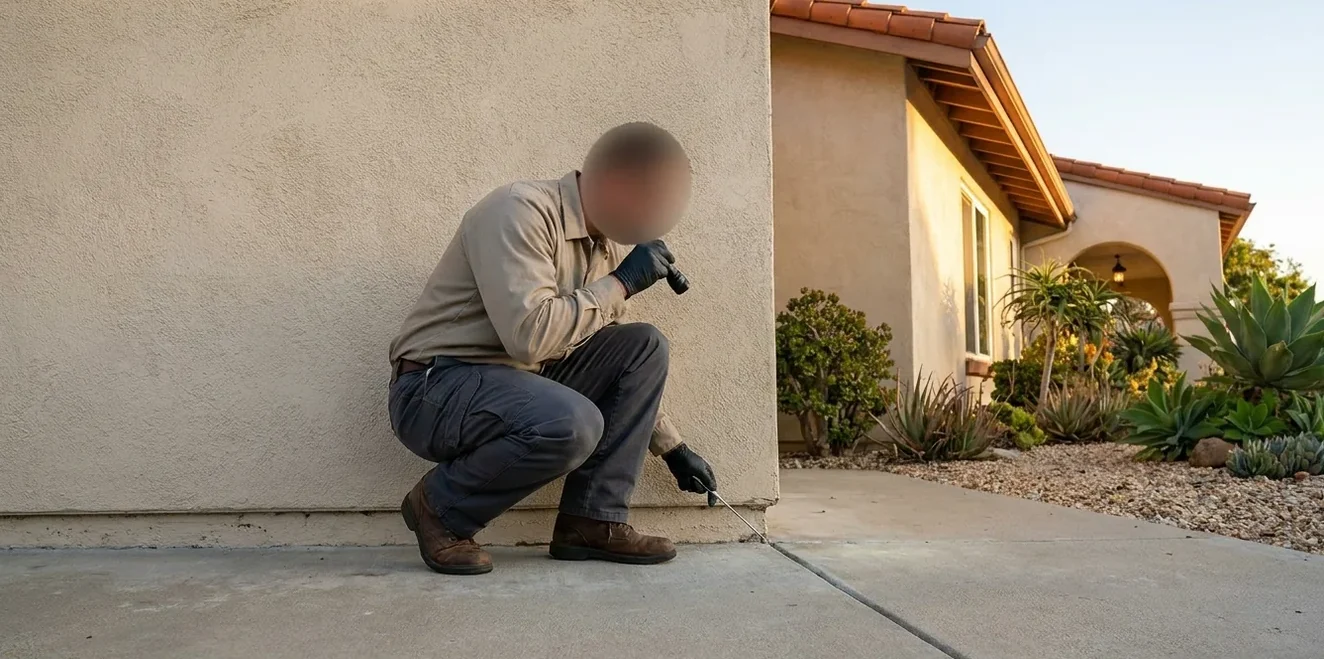
Termite Treatment in Las Vegas, NV
Protect your property with a free inspection and customized treatment estimate.
- Ants & rodents
- Straightforward pricing
- Local technicians
Call for a rate estimate
- Fast, courteous service
- Clear, upfront pricing
Our local team is taking calls now.





Year-Round Protection:
Las Vegas termites remain active throughout our mild winters. Our team provides comprehensive termite solutions every day of the year!
Licensed & Experienced
Our Nevada-certified termite specialists bring decades of desert pest expertise to every inspection and treatment we perform!
Convenient Scheduling
Busy schedule? We understand. Our termite technicians offer early morning, evening, and weekend appointments throughout the valley!
Termite Treatment in Las Vegas
Southern Nevada sits in a heavy subterranean termite region, and the way houses are built here gives termites an unusually direct route in. Slab-on-grade construction means the timber frame sits close to soil that already holds a colony, and the joints and penetrations through that slab — expansion joints, plumbing and conduit sleeves, the gap behind a stucco skirt that runs below grade — are the ways in. It is easy to be complacent about termites in a desert. The colony lives in the soil, not the air, and the soil around a Las Vegas house is irrigated.
The Species We Deal With
Subterranean Termites
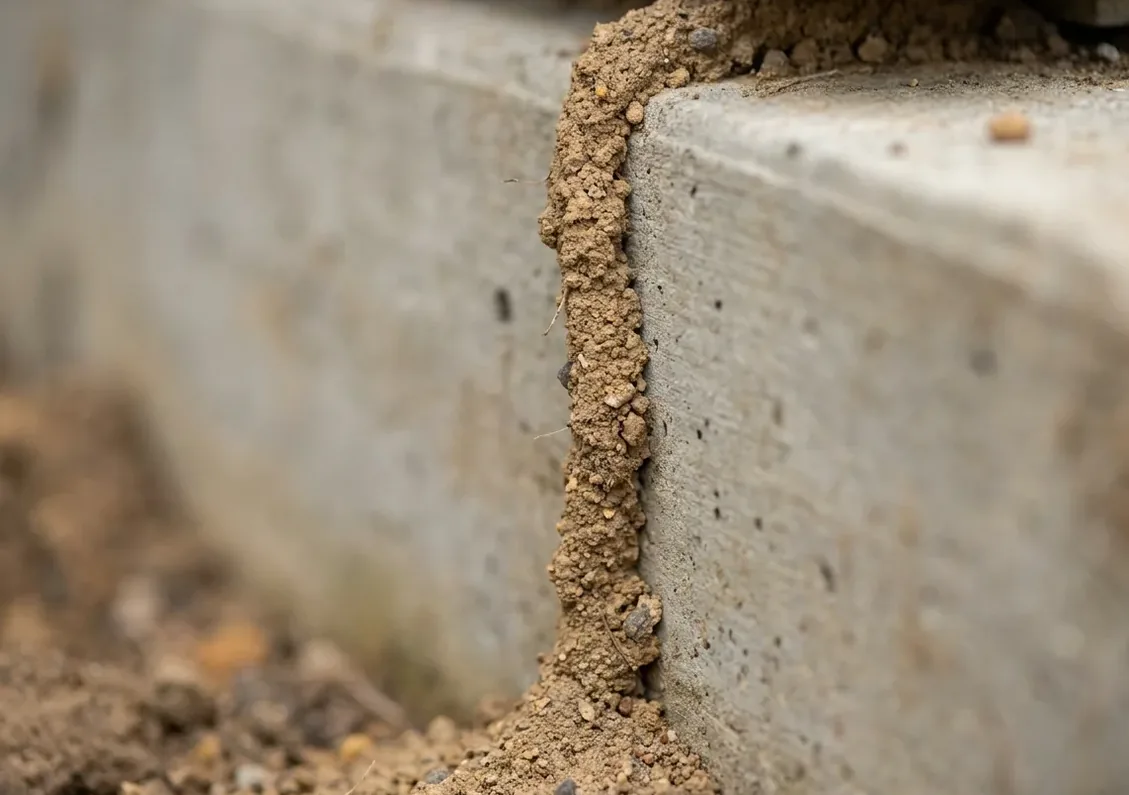
The main problem across the valley. They nest in the soil and travel to timber inside mud tubes they build to stay out of the light and hold their own humidity. Those tubes running up a foundation wall or a garage stem wall are usually the first visible sign, and they are often behind a stored box.
Desert Subterranean Termites
Adapted to exactly this climate and able to work timber above ground where there is a moisture source. A dripping hose bib, a planter bed built against the stucco, or a badly draining downspout will support activity higher up a wall than people expect.
Drywood Termites
Less common here than on the coast, but they turn up — most often arriving in furniture rather than infesting from outside. They need no soil contact, which changes the treatment entirely, so identifying which you have is the first job.
Why There Is Usually Nothing to See
Subterranean termites eat timber from the inside out and leave the surface layer intact, so a stud can be hollow behind paint that looks perfect. They avoid light and open air. In practice most jobs start when somebody moves a box in the garage and finds a mud tube, notices a skirting board that gives under a thumbnail, or finds a pile of discarded wings on a windowsill after a swarm. By the time damage is visible from the room side, it has been running for a while.
Our Termite Control Process
Inspection
Where We Look
The full perimeter at and below grade, the garage stem wall, expansion joints in the slab, plumbing penetrations, the area around water heaters and softeners, any timber in contact with soil, fence posts and patio structures against the house, and the attic where access allows. We sound timber and use a moisture meter, because moisture and termites travel together.
Identifying the Entry
Finding where they are getting in matters more than finding where they are eating. Treating damaged timber without addressing the soil route means the colony simply comes back along it.
Liquid Soil Treatment
We build a continuous treated band through the soil that surrounds and underlies the building, trenching where there is open ground and drilling the slab at joints and penetrations where there is not. Modern non-repellent products are undetectable to termites, so they move through the treated soil and carry it back rather than avoiding it — which is what makes the colony, not just the foragers, the target.
Baiting Systems
In-ground stations placed around the structure and monitored on a cycle. Baiting suits properties where drilling is impractical, where there is a desire to reduce the volume of product used, or where hardscape and pool decking make a continuous treated zone difficult. It works more slowly and it needs the monitoring visits to be kept.
Wood and Localised Treatment
Where accessible timber is actively infested, direct application into the galleries deals with what is in the timber while the soil work deals with the colony.
Moisture Correction
We tell you what is feeding the problem: a leaking hose bib, irrigation spraying the stucco, a planter bed holding damp soil against the wall, a downspout discharging at the foundation. In a climate this dry, the water we add is the reason termites can operate.
Ongoing Monitoring
Termite work is not a one-visit job. Whether it is a liquid treatment or a baiting programme, the value is in the follow-up that confirms activity has stopped.
Signs You Need a Termite Inspection
Mud Tubes
Pencil-width earthen tubes on a foundation wall, a stem wall, or a pier. They are the most reliable sign there is.
Discarded Wings
Piles of small, equal-length wings on a windowsill, in a bathtub or against a sliding door after a swarm. Swarmers leaving a structure mean a mature colony.
Timber That Sounds Hollow
Skirting, door frames or window trim that gives under a thumbnail or sounds papery when tapped.
Blistered or Rippled Paint
Paint that looks like water damage on a wall with no plumbing behind it is worth a look.
Tight-Fitting Doors and Windows
Damage and the moisture that accompanies it distort frames. A door that suddenly binds with no other explanation is worth checking.
Buying, Selling and Escrow
Most termite inspections in Las Vegas happen because a property is changing hands, and the timing is usually tight. We are used to working to an escrow deadline and to producing a report that reads clearly for a lender rather than needing interpretation. If you are on a clock, say so when you call.
Reducing the Risk Afterwards
Keep irrigation heads off the stucco and the drip line away from the foundation. Keep the soil or gravel level below the weep screed rather than banked up over it — burying that gap is one of the most common construction and landscaping faults we see here, and it hands termites a covered route straight past the treated zone. Store firewood and lumber off the ground and away from the house, and fix hose bib drips promptly.
Why the Desert Does Not Protect You
The most common thing we hear on a termite call is some version of "I did not think we got termites here." Two things make southern Nevada a better termite environment than its rainfall suggests. The first is that subterranean termites live in the soil rather than in the air, and they carry their own humidity inside the mud tubes they build — the outdoor climate barely reaches them. The second is that we irrigate. A desert lot with drip lines running along the foundation, a lawn on the sunny side, and planting beds banked against the stucco is a considerably better place to be a termite than the untouched ground next to it.
Desert subterranean termites are also specifically adapted to this climate, and they will work timber above ground wherever there is a moisture source to support them. That is why a dripping hose bib matters and why a planter built directly against a wall is worth relocating.
What We Cannot Tell You From the Kerb
Termite damage is inside the timber, so an inspection is the only honest basis for saying anything about extent. We will not quote a treatment from a photograph or a phone description, and if somebody does, that is worth noticing. Equally, we will tell you when what you have found is old and inactive rather than current — mud tubes dry out and remain in place long after a colony has been dealt with, and not everything that looks alarming needs treating. Being told a problem is not urgent is a legitimate outcome of an inspection.
Landscaping Decisions That Matter
Keep the Grade Below the Weep Screed
The single most common fault we see. Gravel or soil banked up over the gap at the base of the stucco hides the inspection line and hands termites a covered route straight past the treated zone. It is a rake-and-ten-minutes fix.
Move Planting Beds Off the Wall
A bed built directly against the stucco holds damp soil against the structure and is watered on a schedule. That is a considerably better environment than the ground beside it.
Point Irrigation Away From the Building
Heads that spray the wall and emitters within a foot of the foundation both work against you. Moving them out is cheap and permanent.
Get Timber Off the Ground
Firewood, spare lumber, fence rails and timber landscape edging in direct soil contact are all bridges. Store them off the ground and away from the house.
★ FAQ
Frequently Asked Questions
Common termite signs include mud tubes on foundation walls, hollow-sounding wood when tapped, discarded wings near windows and doors during spring, and small piles of wood-colored droppings. However, termites often remain completely hidden for years. Our professional inspection uses thermal imaging and acoustic detection to find activity behind walls and beneath floors before visible damage appears.
While Las Vegas receives minimal rainfall, irrigation systems, swimming pools, and landscape watering create moisture-rich zones around foundations. Subterranean termites build underground colonies that access these water sources while tunneling to wooden structures. Our year-round warm temperatures mean colonies remain active continuously, unlike colder regions where winter slows termite activity.
Liquid termiticide treatments create chemical barriers in soil around foundations that kill termites on contact and prevent colony access to structures. Results appear quickly and protection lasts for years. Baiting systems use monitoring stations containing materials termites carry back to colonies, gradually eliminating entire populations including queens. Baiting works more slowly but offers advantages for properties with extensive landscaping or environmental sensitivities.
Termite colonies can consume several pounds of wood annually, causing thousands to tens of thousands of dollars in structural damage before homeowners detect their presence. Las Vegas properties with stucco exteriors are particularly vulnerable since termites access framing through small cracks while remaining completely hidden. Professional inspections during real estate transactions frequently discover extensive damage in homes where owners had no idea termites existed.
Standard homeowners insurance policies typically exclude termite damage because it's considered preventable through regular maintenance and inspection. Some policies offer optional termite coverage riders. The most cost-effective protection combines professional preventive treatments with regular inspections that detect activity before major damage occurs. Treatment costs represent a fraction of structural repair expenses.
Professional liquid termiticide treatments typically provide 5-10 years of protection when properly applied, though annual inspections ensure continued effectiveness. New termite colonies can establish near treated properties over time, which is why ongoing monitoring matters. Our treatment warranties include periodic inspections and retreatment if termites return, providing continuous protection and peace of mind for Las Vegas homeowners.
📍 On the map
Our Complete Termite Treatment Process
Thorough methodology ensures total colony elimination and lasting protection
Our proven termite treatment process combines advanced inspection technology with targeted elimination methods, providing complete colony destruction and long-term prevention for your Las Vegas property.